Categories
Health & Wellness Hearing Safety

Hearing Loss Prevention: Key Safety Tips for Travelling

Last Updated on 10/02/2026 by Admin

In-Depth Exploration of Hearing Loss Risks While Travelling

What Factors Heighten the Risk of Hearing Damage During Travel?

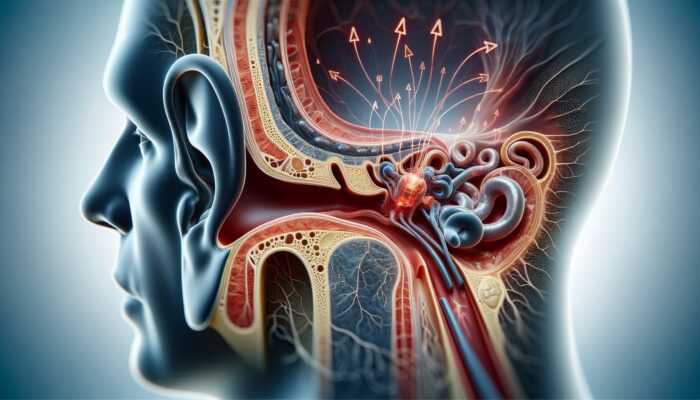
Numerous environmental factors contribute significantly to the risk of hearing loss during travel. The primary culprits include elevated noise levels in urban settings, prolonged exposure to loud music, and the overwhelming sounds from various transportation systems. These elements can inflict serious damage on auditory health. It is crucial for travellers to remain alert for early indicators of hearing issues, such as difficulties in understanding conversations or experiencing a ringing sensation in the ears, medically termed tinnitus. By swiftly recognising these symptoms, individuals can take proactive steps to safeguard their auditory health while on the move, ensuring they remain aware of their surroundings and fully able to enjoy their travel experiences.

Which Demographics Are Particularly Susceptible to Hearing Loss While Travelling?

Certain demographics are noticeably more vulnerable to hearing loss during travel due to a variety of risk factors. Individuals with prior hearing conditions, those who frequently travel, and individuals regularly exposed to high-decibel environments face heightened threats to their auditory health. To bolster safety and heighten awareness while travelling, consider these pivotal risk indicators:

  • History of ear infections
  • Prolonged exposure to loud noises
  • High-volume use of personal audio devices
  • Participation in loud activities such as concerts or motorsports

By implementing protective measures, such as using earplugs or investing in noise-cancelling headphones, individuals can significantly mitigate these risks and preserve their hearing health during exhilarating travel experiences.

What Symptoms Should Travellers Be Aware of During Their Journeys?

Subtle signs of hearing loss can easily go unnoticed while travelling, making it essential for individuals to remain vigilant. Travellers should be on the lookout for symptoms such as the necessity to increase the volume on devices, difficulties in conversing amidst background noise, or sensations of discomfort in their ears. Recognising these indicators is vital, as they may signal the onset of auditory issues. By incorporating regular self-assessments into their travel routines, individuals can ensure that any changes in their hearing capabilities are promptly addressed, allowing for timely interventions and preventive measures to be enacted.

Key Strategies for Protecting Your Ears While Travelling

What Are the Most Effective Noise-Cancelling Solutions Available?

Utilising advanced noise-cancelling solutions can significantly reduce exposure to harmful noise levels during travel. Premium noise-cancelling headphones prove especially beneficial in environments such as airplanes and busy public transport systems, where background noise can be overwhelming. These devices not only enhance the overall listening experience but also act as a protective barrier against damaging sound levels, enabling travellers to enjoy their surroundings without endangering their hearing health. Selecting options that fit comfortably and effectively block out unwanted noise is essential for ensuring that travellers remain sound-conscious while exploring new destinations.

What Daily Practices Can Help Reduce Hearing Risks?

Incorporating daily practices aimed at protecting hearing can yield substantial benefits for long-term auditory health. Simple adjustments to one’s daily routine can significantly lower the risks associated with hearing loss. Here are some effective changes to consider:

  • Wearing ear protection at concerts or loud events
  • Avoiding extended use of headphones at elevated volumes
  • Scheduling quiet periods during busy travel days
  • Regularly monitoring for earwax build-up

These strategies not only promote better hearing care but also empower travellers to prioritise their auditory health while fully enjoying diverse experiences throughout their journeys.

Why Is Timing Important in Hearing Protection?

Timing is crucial when it comes to effectively protecting hearing during travel. By strategically scheduling activities to avoid peak noise times, travellers can significantly reduce their risk of exposure to harmful sound levels. For example, visiting popular tourist attractions during off-peak hours not only enhances the overall experience by reducing crowd congestion but also minimises exposure to noisy environments. By proactively planning itineraries, travellers can maximise their chances of preserving their hearing while fully engaging in their adventures.

Professional Guidance on Preventing Hearing Loss

What Advanced Strategies Do Hearing Specialists Recommend?

Leading audiologists and hearing health experts endorse various advanced strategies aimed at preventing hearing loss during travel. They frequently recommend utilising custom-fitted earplugs, which provide superior protection against loud sounds while allowing essential sounds to be heard clearly. These devices have proven beneficial for frequent concert-goers and travellers alike, ensuring that the auditory experience remains both enjoyable and safe. Additionally, scheduling regular hearing assessments before and after travel can help monitor any alterations in auditory ability, facilitating timely interventions when necessary.

What Fundamental Principles Should Be Followed to Maintain Ear Health?

Maintaining ear health is rooted in basic practices that should be consistently adopted in daily life. Experts highlight the importance of maintaining a balanced approach to noise exposure, employing protective equipment in loud settings, and practising good ear hygiene. By regularly engaging in these practices, individuals can enjoy a broad spectrum of experiences without jeopardising their auditory well-being. Raising awareness about sound exposure empowers travellers to make informed decisions that contribute to the preservation of their hearing in the long run.

What Common Misunderstandings Should Be Avoided Regarding Hearing Loss?

Understanding hearing loss is often complicated by misconceptions that can hinder effective prevention. A prevalent myth is that only excessively loud environments pose risks, whereas everyday sounds can also contribute to gradual auditory damage over time. Guidance from recognised authorities emphasises the need for travellers to acknowledge that even moderate noise exposure can accumulate and adversely affect hearing health. Real-world examples serve to illustrate the importance of protective measures across various settings, highlighting the need for accurate approaches to hearing preservation.

What Innovative Solutions Are Available for Hearing Protection?

Innovative technologies are at the forefront of preventing hearing loss during travel, offering effective solutions such as advanced noise-cancelling devices and sound-monitoring applications. These tools empower travellers to actively manage their sound exposure. For instance, applications that monitor ambient sound levels can alert users when they reach potentially harmful decibel thresholds, enabling timely interventions. By integrating these technologies into their daily routines, users can enhance their effectiveness and adapt their behaviours to effectively safeguard their hearing.

What Are the Most Common Causes of Hearing Issues?

What Environmental Triggers Should Be Acknowledged?

Common environmental triggers that can lead to hearing issues are prevalent and often underestimated. Regular exposure to urban noise, industrial machinery, and loud events can all contribute to gradual hearing loss. Identifying these sources is vital for travellers aiming to protect their hearing. General avoidance strategies, such as using noise-cancelling headphones in busy environments and opting for quieter entertainment options, can significantly reduce the risks associated with these environmental triggers.

How Do Lifestyle Choices Affect Hearing Health?

Lifestyle choices play a substantial role in exacerbating hearing issues, as daily decisions impact auditory health more than one might realise. For example, engaging in high-volume listening through headphones or neglecting to wear protective gear in loud environments can increase risks. To promote healthier auditory habits, travellers should consider incorporating balanced alternatives, such as listening to music at lower volumes and allowing for regular breaks from sound exposure. By making mindful choices, individuals can achieve significant improvements in their long-term hearing health.

What Overlooked Factors Contribute to Exposure Risks?

While many elements contribute to hearing loss, certain overlooked factors can pose considerable risks. For instance, exposure to loud sounds during seemingly innocuous activities—like using power tools or attending events—can lead to cumulative damage. Raising awareness of these less obvious contributors is essential for effective prevention. Educational initiatives should focus on enlightening individuals about these risks, and promoting proactive measures to protect hearing in various contexts.

How Do Medical and Genetic Factors Impact Hearing Loss?

Medical and genetic factors significantly influence an individual’s risk of experiencing hearing loss. Hereditary traits and family history can predispose individuals to various auditory issues, with certain genetic disorders elevating the risk. As individuals age, these genetic predispositions may interact, increasing the likelihood of hearing problems. To effectively manage these potential risks, regular check-ups and consultations with hearing specialists are advisable. Genetic counselling can provide essential insights into family histories, empowering individuals to take preventive measures tailored to their specific vulnerabilities.

Research-Backed Benefits of Hearing Loss Prevention Strategies

What Evidence-Based Tools Are Available for Hearing Protection?

Research into evidence-based tools for hearing protection has yielded promising findings, highlighting devices such as custom earplugs and noise-cancelling headphones. These solutions demonstrate universal advantages across various settings, effectively shielding against harmful noise levels without compromising sound quality. Real-world cases reveal that individuals who utilise these devices often report improvements in their overall auditory health and quality of life, underscoring the importance of preventive measures during travel.

What Are the Long-Term Benefits of Taking Proactive Steps?

Taking proactive steps to protect hearing can lead to significant long-term benefits. Research indicates that individuals who engage in preventive hearing protection tend to report fewer instances of auditory issues as they age. Practical measures such as regular hearing assessments and the use of protective devices in loud environments can be easily integrated into daily routines. By emphasising the importance of early intervention, travellers can effectively safeguard their hearing health for years to come.

Why Does Consistency Produce Better Outcomes?

Maintaining consistency in hearing protection efforts is critical for achieving optimal results. Data supporting ongoing protective measures demonstrate that individuals who regularly utilise hearing protection devices experience measurable declines in hearing loss rates. Practical applications for this consistency may include developing habits around using earplugs at concerts or setting reminders to monitor sound levels during daily activities. By embedding these practices into their everyday lives, individuals can significantly enhance their hearing outcomes over time.

What Economic Advantages Are Associated with Preventive Measures?

The economic benefits of preventive measures for hearing protection are substantial, with research indicating that effective strategies can reduce healthcare costs linked to hearing loss. Case studies illustrate that organisations investing in employee hearing health often experience improved productivity and decreased absenteeism. Practical advice for implementing cost-effective strategies includes providing training on the proper use of hearing protection and investing in quality protective devices. By prioritising hearing health, both individuals and organisations can reap long-term financial rewards.

Why Is Prevention Essential for Travellers?

How Does Hearing Health Affect Overall Well-Being?

Prioritising hearing protection while travelling is crucial for enhancing overall well-being. Good auditory health is interconnected with numerous facets of life, including communication, enjoyment of experiences, and mental health. Consider these interconnected benefits:

  • Enhanced communication and social interactions
  • Increased enjoyment of cultural experiences
  • Reduced stress and anxiety linked to hearing loss
  • Improved cognitive health through auditory engagement

By emphasising the importance of preventing hearing loss, travellers can cultivate a more enriching and enjoyable journey.

What Are the Hidden Consequences of Ignoring Hearing Protection?

Neglecting to prioritise hearing protection can lead to a range of hidden consequences that adversely impact quality of life. Long-term effects such as social withdrawal, cognitive decline, and an increased risk of mental health issues can arise from untreated hearing loss. Raising awareness about these potential outcomes encourages individuals to adopt proactive measures, including using protective devices and scheduling regular check-ups as part of their travel plans. This foresight can help mitigate long-term risks, ensuring a more fulfilling travel experience.

How Can Strategies Foster Resilience in Hearing Health?

Building resilience in hearing health is vital for managing the challenges that travel can present. Adaptive practices, such as establishing routines that incorporate hearing protection, can enhance travellers’ ability to cope with demanding environments. Proactive planning, including identifying quiet spaces during travel and scheduling downtime, empowers individuals to maintain their auditory health. By fostering resilience, travellers can fully enjoy their journeys while minimising risks associated with hearing loss.

Practical Recommendations for Effective Hearing Care

What Simple Tools Can Be Utilised for Effective Protection?

Numerous straightforward tools are available that everyone can use to effectively safeguard their hearing during travel. Accessible methods encompass the use of over-the-counter earplugs, high-quality noise-cancelling headphones, and sound-monitoring applications. These devices offer versatility, allowing travellers to customise their protective strategies based on specific environments. The ease of adoption makes it feasible for anyone to incorporate these tools into their travel routines, ensuring that hearing preservation remains a priority throughout their adventures.

How Can Protection Be Seamlessly Incorporated into Daily Routines?

Integrating hearing protection into daily routines is vital for maintaining auditory health. Simple strategies include creating habits around using ear protection in loud environments and setting reminders to monitor sound levels during everyday activities. These practical implementation ideas ensure that hearing care becomes an effortless component of travel, allowing individuals to concentrate on their experiences without compromising their ear health.

What Strategies Can Sustain Ongoing Awareness of Hearing Health?

Maintaining continuous awareness of hearing health is crucial for effective prevention. Ongoing monitoring can include regularly assessing hearing ability, tracking exposure to loud environments, and utilising apps designed to measure sound levels in various settings. Offering strategies for sustained vigilance, such as journaling experiences and noting any changes in hearing, can empower travellers to take proactive measures in addressing potential risks before they escalate.

Long-Term Strategies for Effective Hearing Preservation

How to Develop a Personalised Plan for Hearing Care?

Creating a personalised plan for hearing preservation allows travellers to tailor strategies to their individual circumstances. This adaptable framework should consider lifestyle, travel habits, and specific auditory risks. By emphasising customisation, travellers can develop plans that empower them to focus on their unique situations, ensuring that their approaches to hearing protection are both effective and relevant to their needs.

How Can Progress Be Evaluated Over Time?

Monitoring progress over time is essential for assessing the effectiveness of hearing preservation strategies. Individuals should explore methods for tracking improvements, such as regular hearing assessments or personal reflections on their auditory experiences. Encouraging consistent check-ins enables travellers to evaluate their hearing health continually, reinforcing the importance of proactive measures in their long-term strategies.

Why Should Approaches Be Adapted as Necessary?

As circumstances evolve, adapting approaches to hearing preservation becomes increasingly important. Emphasising flexibility ensures that individuals modify their strategies to fit current environments and lifestyles. Highlighting adaptive techniques, such as seeking quieter venues or reassessing hearing protection options, empowers travellers to uphold their commitment to hearing health regardless of changing conditions.

How Can Advanced Technologies Be Utilised for Enhanced Hearing Care?

Incorporating advanced technologies can greatly enhance long-term hearing preservation. Devices such as digital hearing aids and auditory applications provide dynamic support tailored to individual hearing needs. Guidance on selecting, using, and updating these technologies is crucial for ensuring that travellers maximise their benefits. By remaining informed about innovations in hearing health, individuals can ensure sustained protection and improved quality of life over time.

What Role Does a Support Network Play in Hearing Preservation?

Establishing a support network comprising family, friends, and hearing health organisations is vital for successful hearing preservation. This network can offer emotional support and practical assistance, making it easier for individuals to stay motivated in their hearing health pursuits. Strategies for maintaining motivation, sharing experiences, and accessing valuable resources can effectively reinforce long-term strategies, ensuring that individuals feel empowered in their journey towards better hearing.

Frequently Asked Questions

What Are the Primary Risk Factors for Hearing Loss During Travel?

Primary risk factors for hearing loss during travel encompass prolonged exposure to loud noises, pre-existing hearing conditions, and high-volume use of personal audio devices. Being aware of these factors can help travellers take proactive measures to protect their hearing effectively.

How Can I Determine If My Hearing Is Deteriorating While Travelling?

Indicators of deteriorating hearing include difficulties in understanding conversations, needing to raise volume levels, and experiencing ringing in the ears. Monitoring these symptoms is crucial for early intervention and for safeguarding hearing health.

What Are Some Effective Noise-Cancelling Solutions?

Effective noise-cancelling solutions include high-quality headphones, custom earplugs, and sound-monitoring applications. These tools help minimise harmful noise exposure and enhance overall listening experiences while travelling.

How Can Lifestyle Choices Affect Hearing Health?

Lifestyle choices, such as exposure to loud environments and high-volume headphone usage, can significantly impact hearing health. Opting for balanced alternatives can promote improved auditory well-being and reduce risks associated with hearing loss.

What Should I Do If I Notice Changes in My Hearing?

If you observe changes in your hearing, such as increased difficulty in understanding speech or persistent ringing in the ears, it is advisable to consult a hearing specialist for an assessment and guidance on protective measures.

How Can Preventive Measures Lower Healthcare Costs?

Preventive measures can significantly lower healthcare costs by mitigating the long-term effects of hearing loss, leading to fewer medical interventions and enhanced workplace productivity. Investing in hearing health pays off economically in the long run, benefiting both individuals and organisations.

What Role Does Genetics Play in Hearing Loss?

Genetics can substantially influence susceptibility to hearing loss. Family history and hereditary traits may predispose individuals to auditory issues, making regular screenings and consultations essential for preventive care and early intervention.

Why Is It Important to Monitor Sound Levels During Travel?

Monitoring sound levels while travelling is essential for identifying potentially harmful noise exposure. Utilising sound-monitoring applications can provide real-time feedback, allowing travellers to take appropriate measures to effectively protect their hearing.

What Are Some Common Misconceptions About Hearing Loss?

Common misconceptions about hearing loss include the belief that only loud environments pose risks. In reality, cumulative exposure to moderate noise levels can also contribute to gradual hearing damage over time, making awareness and preventive measures critical.

How Can I Establish a Support Network for Hearing Preservation?

Building a support network can involve connecting with family, friends, and local organisations focused on hearing health. Sharing experiences and resources within this network can motivate individuals to stay committed to their hearing preservation efforts.

Discover our world on X!

The post Hearing Loss Prevention While Travelling: Essential Safety Tips appeared first on The Microsuction Ear Wax Removal Network.
Categories
Hearing Health Science & Technology

Big Data’s Influence on Hearing Research: Essential Insights

Last Updated on 09/02/2026 by Admin

Comprehensive Analysis of Big Data’s Impact on Hearing Research

What Is the Core Principle Behind Big Data Applications in Hearing Research?

The rise of big data within the field of hearing research represents a significant transformation, allowing for the systematic collection, analysis, and interpretation of substantial volumes of auditory data to unravel complex auditory phenomena. This advancement is facilitated by state-of-the-art data collection methodologies and advanced analytical techniques that together improve our understanding of hearing functions and disorders.

As sensory data flows in from a multitude of sources, researchers are better equipped to identify overarching trends in auditory perception and processing. This innovative approach not only revolutionises theoretical frameworks but also transforms practical applications in the study of hearing. Consequently, the incorporation of big data is crucial for tackling research challenges and seizing opportunities across diverse populations and a variety of auditory conditions.

What Are the Key Elements Necessary for Effective Data Management in Hearing Research?

Successfully managing big data in hearing research relies on a clear set of tools and processes that can be tailored to different contexts. The essential components to consider include:

  • Data Warehousing: Efficiently storing vast amounts of auditory data for easy access and retrieval.
  • Data Mining: Extracting valuable insights and patterns from extensive datasets to inform research.
  • Statistical Analysis Software: Employing applications like R and Python for thorough data interpretation and analysis.
  • Machine Learning Algorithms: Implementing techniques that enable predictive analysis and pattern recognition for deeper insights.
  • Data Visualization Tools: Utilising software designed to present complex data in an easily understandable format.
  • Cloud Computing: Providing scalable storage and processing capabilities for large datasets to enhance research efficiency.
  • Collaboration Platforms: Tools that facilitate global data sharing among researchers to foster collaboration.
  • Quality Assurance Processes: Ensuring the reliability and integrity of data throughout the entire research lifecycle.

These components serve as both technical necessities and foundational elements that significantly enhance the effectiveness of auditory studies, broadening their applicability across varied research environments and contexts.

How Has the Utilisation of Data Changed Over Time in Hearing Research?

The progression of data usage in hearing research has been extraordinary, particularly in light of rapid technological advancements. In the past, research primarily relied on basic auditory assessments and limited sample sizes. However, the shift to big data methodologies has empowered researchers to utilise extensive datasets, leading to more extensive insights into auditory functions and conditions.

This transformation is characterised by swift advancements in data collection technologies, evolving from basic sound recordings to sophisticated neuroimaging and biometric tracking techniques. These innovations enable researchers to obtain a more comprehensive understanding of hearing processes across diverse populations. Enhanced computational capabilities and analytical strategies now support the integration of auditory data from various sources, paving the way for groundbreaking discoveries that can significantly impact both clinical practices and academic research.

In What Ways Does Big Data Enrich Hearing Research Studies?

What Significance Does Data Analysis Have for Research Outcomes?

Data analysis plays a pivotal role in enhancing the outcomes of auditory studies. By employing advanced analytical techniques, researchers can uncover intricate patterns and correlations within auditory data that might otherwise remain concealed. This thorough analytical process results in more accurate interpretations of hearing functions and disorders.

By utilising statistical methods and machine learning approaches, studies can reveal critical insights such as the effects of environmental noise on auditory processing or the genetic factors linked to hearing loss. These findings extend beyond individual cases, offering a broader understanding of auditory health across different populations and conditions, ultimately leading to better-targeted interventions and treatment strategies.

How Does Integrating Various Data Sources Fortify Hearing Research?

Integrating diverse data sources is essential for strengthening hearing studies. By amalgamating information from multiple modalities—such as audiometric evaluations, genetic data, and neuroimaging results—researchers can cultivate a more comprehensive understanding of auditory processing and its variations among different demographics.

This integrative approach not only enriches the research but also fosters interdisciplinary collaboration among auditory scientists, geneticists, and data analysts. Such partnerships encourage the development of comprehensive models that accurately predict the outcomes of hearing interventions, leading to personalised and effective treatment strategies for individuals experiencing hearing impairments.

What Influence Does Big Data Have on Research Methodologies in Hearing Studies?

The impact of big data on research methodologies in hearing studies is profound, as it leads to more refined and effective approaches for understanding auditory phenomena. Traditional methods often relied on limited sample sizes and straightforward analyses, constraining the breadth of findings. In contrast, big data methodologies enable larger, more diverse cohorts, enriching the data landscape for researchers.

For example, by harnessing big data, researchers can implement sophisticated algorithms that analyse multi-dimensional datasets, revealing subtle differences in auditory processing that are crucial for developing innovative treatment modalities. This heightened precision in methodologies not only advances scientific understanding but also improves the translation of research findings into clinical practice, ensuring that therapies more closely align with the genuine challenges faced by individuals with hearing difficulties.

Valuable Perspectives on Big Data’s Contribution to Hearing Research

What Advanced Techniques Are Employed for Data Interpretation in Hearing Studies?

Professionals in hearing research apply advanced techniques for data interpretation that maximise the potential of big data. Leading these methodologies are machine learning and artificial intelligence, which allow researchers to analyse complex auditory datasets and derive actionable insights.

For instance, researchers can utilise neural networks to model auditory perception in response to various stimuli, predicting how individuals with hearing impairments might react to sound therapies. These advanced techniques also assist in identifying previously unrecognised patterns in auditory processing, paving the way for new intervention and rehabilitation strategies.

Another critical approach involves using natural language processing to analyse qualitative data from patient interviews, connecting subjective experiences of hearing loss with objective audiometric data. By integrating these sophisticated techniques, researchers not only enhance the quality of their research but also ensure that their findings are relevant and widely applicable across the field.

What Strategies Guarantee Effective Data Utilisation in Hearing Research?

To maximise data utilisation in hearing research, experts recommend several strategic approaches to assure reliable outcomes. Firstly, establishing a comprehensive data management plan is essential, encompassing protocols for data collection, processing, and analysis. This structured framework helps maintain consistency and integrity throughout all phases of research.

Moreover, fostering interdisciplinary collaboration is vital. Involving professionals from various fields—such as audiology, data science, and public health—allows research projects to benefit from a range of perspectives, thereby enhancing overall research quality.

Additionally, implementing stringent quality control measures is necessary to ensure data accuracy and reliability. Regular audits and validation processes can identify and rectify inconsistencies throughout the research lifecycle. By adhering to these strategies, researchers can amplify the impact of their findings, contributing to the broader body of knowledge in hearing science.

What Advantages Do Specialized Data Approaches Offer in Hearing Research?

Specialised data approaches in hearing research provide numerous advantages that elevate the quality of studies. One significant benefit is the enhancement of research precision. By employing targeted methodologies, such as focused audio signal processing and detailed psychometric assessments, researchers can achieve deeper insights into specific auditory phenomena.

Furthermore, these specialised approaches facilitate the discovery of intricate relationships among variables, such as the interaction between auditory processing and cognitive functions. This understanding is crucial for creating more effective therapeutic strategies tailored to individual needs and circumstances.

Utilising specialised data techniques also promotes reproducibility, a vital aspect of scientific research. By adhering to standardised protocols, researchers can ensure that their findings are consistent and reliable, fostering increased trust and credibility within the academic community.

What Challenges Arise When Implementing Big Data in Hearing Research?

Despite the transformative potential of big data, several challenges can hinder its implementation in hearing research. One major obstacle is data quality, as inaccuracies and inconsistencies can severely undermine research findings. Researchers must remain vigilant in employing stringent quality control measures to address these concerns, ensuring that data remains robust and trustworthy throughout the research process.

Additionally, scalability presents a challenge, as the sheer volume of data generated can overwhelm traditional processing capabilities. This situation necessitates adopting advanced computational techniques and infrastructure capable of efficiently managing large datasets.

Moreover, researchers face ethical dilemmas related to data privacy and patient consent. Establishing clear ethical guidelines and protocols for data management is crucial for navigating these complexities and ensuring responsible research practices. By recognising and addressing these challenges, the auditory research community can fully harness the potential of big data to advance the field.

What Future Trends Are Anticipated with Big Data in Auditory Research?

Looking ahead, several trends are emerging in the realm of big data that promise to significantly propel auditory research. One notable trend is the integration of artificial intelligence, which is expected to revolutionise how auditory data is analysed and interpreted. By leveraging AI algorithms, researchers can uncover hidden correlations and patterns within extensive datasets that were previously unattainable.

Furthermore, the increasing adoption of predictive analytics is anticipated to play a crucial role in identifying potential hearing disorders before they manifest clinically. This proactive approach allows for early interventions that can dramatically enhance patient outcomes.

Additionally, advancements in data-sharing technologies are likely to improve collaboration among global research communities, fostering a more comprehensive understanding of auditory science. These trends underscore the importance of remaining attuned to technological advancements to ensure that hearing research remains relevant and impactful in the future.

What Challenges Exist in the Utilisation of Big Data for Hearing Research?

How Can Researchers Address Data Quality Challenges?

Ensuring data quality is essential for preserving the integrity of auditory research. Common issues include inaccuracies in data entry, inconsistencies in measurement methods, and missing data points. Implementing rigorous protocols for data collection and management can significantly mitigate these challenges.

Regular training for research personnel on data handling techniques is also crucial. This training minimises human error and ensures that all team members understand the importance of maintaining high-quality standards. Additionally, employing automated data validation tools can help identify potential discrepancies early in the research process, allowing for timely corrections.

Ultimately, prioritising data quality not only boosts the reliability of research findings but also fosters greater trust among stakeholders, including funding agencies, academic peers, and the wider community interested in hearing health and research.

What Limitations Exist in Data Processing Capabilities?

Limitations in data processing capabilities can significantly hinder the advancement of hearing research. As datasets increase in size and complexity, traditional processing methods may prove inadequate. This inadequacy can lead to delays in analysis and obstruct researchers’ ability to derive timely insights from the data.

To tackle these limitations, researchers must invest in advanced computational resources, such as high-performance computing systems capable of efficiently managing vast amounts of data. Leveraging cloud-based solutions can also provide scalable processing power that adapts to the fluctuating demands of research projects.

Implementing parallel processing techniques can enhance data handling capabilities, enabling simultaneous analyses that expedite research progress. Embracing these technological advancements is essential for researchers aiming to maximise the potential of big data in auditory studies.

What Ethical Dilemmas Arise from the Application of Big Data?

The integration of big data in hearing research introduces several ethical dilemmas that must be navigated with diligence. Issues surrounding data privacy and informed consent are particularly pressing, as researchers often collect sensitive information from individuals regarding their hearing health and experiences.

To address these concerns, it is crucial for researchers to establish clear guidelines for data usage that prioritise participant rights and confidentiality. Transparent communication with participants about how their data will be utilised and stored is vital for maintaining trust and ethical integrity.

Moreover, ongoing ethical training for researchers is essential to ensure that all individuals involved in data management are aware of potential dilemmas and equipped with strategies to navigate them responsibly. By proactively addressing these ethical considerations, the auditory research community can cultivate responsible practices while advancing the field.

Research-Backed Benefits of Big Data in Hearing Research

What Key Advantages Are Associated with Enhanced Research Accuracy?

Utilising big data presents significant advantages in enhancing research accuracy within auditory studies. By employing robust analytical frameworks, researchers can refine the precision of their findings, ensuring they reflect the complexities inherent in auditory phenomena.

One effective tactic is to implement machine learning algorithms capable of processing extensive datasets, identifying correlations and anomalies that traditional methodologies may overlook. This approach not only enhances the accuracy of research outcomes but also enables researchers to make informed, data-driven decisions that better mirror real-world scenarios.

Moreover, integrating cross-disciplinary data can yield a more comprehensive perspective, enriching the research landscape and fostering a nuanced understanding of auditory conditions. Such strategies collectively elevate research quality and credibility in the field of hearing science.

How Do Analytical Outcomes Benefit from the Use of Big Data?

Improvements to analytical outcomes represent a key advantage of employing big data in hearing research. By adopting advanced statistical methods and computational techniques, researchers can generate more reliable and insightful results. This enhancement is particularly significant in studies investigating complex auditory disorders, where multifactorial influences are at play.

For example, leveraging big data analytics enables researchers to dissect how genetic predispositions and environmental factors interact, providing greater clarity on how these elements influence auditory processing. Such insights are crucial for devising targeted interventions and informing clinical practices effectively.

Additionally, employing data visualisation tools allows researchers to present their findings in a more accessible format, improving communication with stakeholders and enhancing knowledge dissemination within the auditory research community.

What Is the Long-Term Value of Data Integration in Hearing Research?

The long-term value of data integration in hearing research is immense, as it lays the foundation for sustained advancements in the field. By consistently integrating diverse datasets, researchers can construct comprehensive profiles of auditory health and dysfunction across various populations.

  • Enhances predictive modelling for hearing disorders.
  • Facilitates long-term tracking of auditory health trends.
  • Strengthens collaboration among interdisciplinary teams.
  • Improves the efficacy of clinical interventions over time.
  • Enables the development of tailored therapeutic approaches.
  • Creates a centralised repository of auditory research findings.
  • Increases engagement and support from funding bodies.
  • Fosters an environment of continuous learning and adaptation.

By recognising the long-term benefits of data integration, researchers can ensure that their work in the field of hearing science remains relevant and impactful for future generations.

How Does Big Data Influence Predictive Analytics in Hearing Studies?

Big data greatly enhances predictive analytics in hearing studies, equipping researchers with the necessary tools to anticipate potential auditory disorders before they manifest. By analysing extensive and diverse datasets, researchers can pinpoint risk factors and early indicators of hearing impairments, facilitating timely interventions.

Utilising algorithms designed for predictive modelling allows researchers to create comprehensive frameworks that assess individual risk profiles based on genetic, environmental, and lifestyle factors. This proactive strategy not only improves patient outcomes but also enhances the efficiency of resource allocation within healthcare systems.

Moreover, validating predictions through longitudinal studies ensures models remain accurate and relevant over time. By harnessing big data in predictive analytics, the auditory research community can lead the charge in advancing preventative strategies for hearing health.

How Does Big Data Foster Innovation Through Collaborative Efforts?

Big data drives innovation in hearing research by promoting interdisciplinary collaborations that leverage the strengths of various fields. By establishing secure data-sharing networks, researchers can pool resources and expertise, expediting discoveries and optimising resource allocation.

For instance, partnerships among audiologists, data scientists, and engineers can lead to the creation of advanced auditory technologies that improve diagnostic capabilities and treatment options. These collaborative efforts are crucial for addressing the multifaceted challenges faced in hearing research.

Furthermore, forming collaborative platforms that facilitate communication and knowledge exchange among researchers worldwide can cultivate a vibrant research community. By fostering innovation through collaboration, the auditory research field can ensure that advancements continue to benefit individuals impacted by hearing impairments on a global scale.

Why Is Big Data Indispensable for Future Innovations in Hearing Science?

What Future Trends Can We Expect from Data Utilisation?

The future of big data utilisation in hearing research is poised to significantly transform the landscape of auditory science. As technology continues to evolve, researchers can anticipate a shift towards more personalised methodologies for understanding and treating hearing disorders.

Emerging developments in artificial intelligence and machine learning will enable the creation of sophisticated models that predict auditory outcomes with enhanced accuracy. Additionally, the integration of wearable technologies capable of continuously monitoring auditory health will provide real-time data that enriches our understanding of individual listening experiences.

Overall, the potential for big data to reshape the future of hearing innovations is substantial, opening new avenues for exploration and discovery within the field.

How Does Big Data Propel Innovative Solutions?

Big data plays a crucial role in driving innovative solutions in hearing research by providing the analytical frameworks necessary to uncover new insights. By harnessing the power of diverse datasets, researchers can formulate novel hypotheses that challenge existing paradigms.

For example, analysing large-scale population data can reveal previously unnoticed patterns related to environmental factors and their impact on hearing health. This discovery can lead to the development of innovative prevention and intervention strategies tailored to specific risk factors.

Moreover, big data accelerates the rapid prototyping and testing of new auditory technologies, enabling researchers to iterate quickly and refine solutions based on empirical evidence. This iterative approach fosters a creative and innovative environment, ensuring advancements align with the needs of individuals facing hearing impairments.

What Transformative Impacts Can Big Data Generate?

The potential for big data to create transformative impacts in hearing research is vast. By enabling researchers to analyse extensive amounts of information, big data can reveal insights that fundamentally alter our understanding of auditory processes and disorders.

For instance, the ability to integrate genetic, environmental, and lifestyle data could lead to breakthroughs in personalised medicine, resulting in interventions tailored to individuals’ unique profiles. This comprehensive approach can revolutionise treatment strategies and enhance the quality of life for those affected by hearing challenges.

Furthermore, ongoing developments in predictive analytics powered by big data have the potential to change how hearing disorders are diagnosed and managed. By identifying risk factors early, healthcare providers can intervene proactively, alleviating the overall burden of hearing loss on both individuals and society.

Applications of Big Data in Hearing Research

What Are the Primary Uses of Big Data in Experimental Designs?

In hearing research, big data plays a pivotal role in various experimental designs, significantly enhancing the robustness of studies. Researchers can utilise extensive datasets to conduct thorough analyses that reveal complex relationships within auditory processing mechanisms.

For example, big data enables researchers to implement factorial designs that investigate multiple variables affecting hearing outcomes simultaneously. This multifaceted approach yields deeper insights into the interactions between auditory stimuli and individual characteristics, resulting in more nuanced findings.

Moreover, employing simulation models based on big data can predict auditory responses to specific interventions, allowing researchers to explore potential outcomes before conducting real-world trials. These innovative experimental designs, empowered by big data, contribute significantly to advancing knowledge in auditory research.

How Do Data-Driven Modelling Techniques Enhance Research Quality?

Data-driven modelling techniques are essential tools for improving predictive accuracy in auditory research. By employing statistical and computational models, researchers can analyse intricate datasets to identify patterns and relationships that inform theoretical frameworks in hearing science.

For instance, using regression models enables researchers to quantify the impact of various factors on auditory outcomes, such as age or noise exposure effects on hearing loss. Additionally, machine learning techniques like decision trees and support vector machines can categorise data points and predict future outcomes based on historical trends.

Furthermore, integrating network analysis can illuminate the interconnectedness of different auditory processes, leading to a comprehensive understanding of how various factors contribute to hearing health. By applying these data-driven modelling techniques, researchers can enhance the relevance and accuracy of their findings within auditory research.

What Opportunities Arise from Expanding into New Research Areas?

The expansion of big data applications into novel research areas presents exciting possibilities within the field of hearing research. As researchers increasingly recognise the value of diverse datasets, disciplines such as neurobiology, psychology, and environmental science are becoming integral to auditory studies.

For instance, exploring the relationship between auditory processing and cognitive functions is an area of growing interest. By leveraging big data from multiple disciplines, researchers can develop comprehensive models that account for variables such as attention and memory, culminating in a more holistic understanding of hearing.

Additionally, examining the effects of environmental factors, such as urban noise on hearing health, opens new research avenues that can inform public health policies and interventions. The broadening of big data applications into these new fields will ultimately enhance the significance and influence of hearing research on global health.

Ethical Considerations in the Utilisation of Big Data for Hearing Research

What Are the Fundamental Principles of Data Ethics in Research?

Adhering to fundamental principles of data ethics is crucial for the responsible handling of auditory data. These principles include respect for participant autonomy, ensuring informed consent, and safeguarding data confidentiality.

Researchers must prioritise transparency in their data collection practices, clearly explaining the purpose of the research and how data will be utilised. This transparency builds trust with participants and fosters a culture of ethical responsibility within the research community.

Moreover, implementing rigorous data security measures is essential for protecting sensitive information and preventing misuse. By establishing clear ethical guidelines and procedures, researchers can navigate the complexities of data usage in hearing research responsibly.

What Safeguards Are Necessary to Prevent Information Misuse?

Establishing safeguards against the misuse of information is paramount in upholding the integrity of hearing research. Researchers should implement stringent access protocols, ensuring that only authorised personnel handle sensitive data.

Utilising encryption techniques for data storage and transmission provides an additional layer of protection against unauthorised access. Regular audits and assessments of data handling practices are vital for identifying vulnerabilities and reinforcing compliance with ethical standards.

Furthermore, fostering a culture of ethical awareness among research personnel through training and education helps ensure that everyone involved in the research process understands the importance of data protection and adheres to established guidelines. By implementing these safeguards, researchers can maintain the ethical standards necessary for responsible data usage in hearing research.

How Can Researchers Balance Innovation with Responsibility?

Balancing innovation with responsibility poses a critical challenge in the application of big data in hearing research. As researchers strive to advance knowledge, it is vital to ensure that ethical considerations remain central to their work.

One effective strategy is to incorporate ethical review processes into research planning, ensuring that potential risks and benefits are carefully evaluated before data collection commences. Engaging stakeholders, including patient advocacy groups, in discussions regarding data usage can provide valuable insights that inform responsible practices.

Moreover, fostering open dialogue within the research community about the implications of innovative technologies can help identify potential ethical dilemmas early, allowing proactive measures to address them. By prioritising ethical responsibility alongside innovation, researchers can advance the field of hearing science while upholding public trust and integrity.

Frequently Asked Questions About Big Data in Hearing Research

What Is Big Data in the Context of Hearing Research?

Big data in hearing research refers to the vast amounts of auditory information collected and analysed to enhance our understanding of hearing processes, disorders, and interventions.

How Does Big Data Improve Research Accuracy?

Big data enhances research accuracy by enabling researchers to analyse larger and more diverse datasets, unveiling intricate patterns that improve the precision of their findings.

What Ethical Concerns Are Commonly Associated with Big Data?

Common ethical concerns include data privacy, informed consent, and the potential for misuse of sensitive auditory information obtained from participants.

How Can Researchers Ensure High Data Quality?

Researchers can ensure data quality by implementing rigorous data management protocols, conducting regular audits, and utilising automated validation tools to identify discrepancies.

What Role Does Predictive Analytics Serve in Hearing Research?

Predictive analytics allows researchers to forecast potential hearing disorders based on historical data, enabling proactive interventions for at-risk individuals.

What Challenges Are Associated with Implementing Big Data?

Challenges include data quality issues, limitations in processing capabilities, ethical dilemmas, and the need for advanced data management systems.

How Can Interdisciplinary Collaboration Enhance Hearing Research?

Interdisciplinary collaboration enriches hearing research by uniting diverse expertise, leading to more comprehensive studies and innovative solutions to complex auditory challenges.

What Techniques Improve Data Interpretation in Auditory Studies?

Techniques such as machine learning, statistical analysis, and natural language processing enhance data interpretation by uncovering hidden patterns and relationships within auditory data.

What Future Trends Are Expected in Hearing Research?

Future trends may include increased personalisation in treatments, advancements in AI and machine learning, and greater data integration across diverse disciplines.

How Does Big Data Promote Innovation in Hearing Science?

Big data fosters innovation by equipping researchers with analytical tools to explore new hypotheses and develop novel technologies for addressing hearing impairments.

Join our community on X today!

The post Big Data’s Impact on Hearing Research: Key Insights appeared first on The Microsuction Ear Wax Removal Network.
Categories
Health & Wellness Hearing Health

Sudden Hearing Loss: Understanding Key Causes

Last Updated on 08/02/2026 by Admin

In-Depth Analysis of the Causes Behind Sudden Hearing Loss

What Key Factors Lead to Inner Ear Complications and Hearing Loss?

Sudden hearing loss frequently arises from a range of complications affecting the inner ear. Several critical factors, including viral infections and <a href="https://www.earwaxremoval.net/infections-and-their-impact-on-your-hearing-health/">blockages</a>, can significantly disrupt the auditory nerves, resulting in the rapid onset of alarming symptoms. For instance, numerous studies indicate a strong correlation between sudden hearing loss and viral infections, where patients have reported experiencing abrupt changes in hearing capabilities within mere days of contracting a virus. This situation underscores the paramount importance of obtaining timely medical intervention to address these pressing issues effectively.

The implications of these factors are profound since the inner ear plays a vital role in sound processing. When disrupted by inflammation or physical blockages, auditory signals fail to reach the brain efficiently, culminating in immediate hearing challenges. Conditions like labyrinthitis and vestibular neuritis can lead to acute hearing loss, highlighting the necessity for increased awareness regarding potential inner ear disorders and their implications for overall auditory health.

What Common Everyday Triggers Contribute to Hearing Loss?

Day-to-day activities expose individuals to various triggers that can precipitate sudden hearing loss. Prolonged exposure to loud noises, whether from concerts, industrial machinery, or even personal audio devices, can damage the delicate hair cells located within the cochlea, leading to an immediate decline in hearing ability. Furthermore, physical trauma, including head injuries, can disrupt normal ear function, resulting in swift hearing impairments that necessitate prompt attention.

Understanding these everyday triggers empowers individuals to implement preventive measures effectively. For example, attending concerts or loud events without appropriate ear protection significantly elevates the risk of irreversible hearing loss. Acknowledging these hazards and recognising the potential for early intervention is essential for ensuring optimal auditory health and mitigating further complications related to hearing loss.

How Do Environmental and Lifestyle Choices Affect Hearing Health?

Various environmental factors and lifestyle choices can significantly influence the risk of sudden hearing loss by placing undue stress on the auditory system. Factors such as pollutants, excessive noise exposure, and poor dietary habits are critical contributors to the overall risk profile for hearing issues. Being acutely aware of these factors is paramount for effective prevention and proactive management of auditory health.

  • Exposure to noise pollution
  • Smoking and tobacco use
  • Chronic stress levels
  • Poor nutrition and diet
  • Exposure to harmful chemicals
  • High alcohol consumption
  • Lack of regular health check-ups
  • Obesity and sedentary lifestyle

These lifestyle choices and environmental exposures can heighten risks, underscoring the importance of adopting an integrated approach to maintaining auditory health. By embracing healthier habits and minimising exposure to harmful elements, individuals can significantly diminish their risk of experiencing sudden hearing loss and its associated consequences.

How Does Sudden Hearing Loss Develop Over Time?

What Is the Impact of Vascular Issues on Hearing Loss Development?

Vascular issues, particularly disruptions in blood flow, play a crucial role in the onset of sudden hearing loss. When the inner ear is deprived of oxygen-rich blood, it can lead to rapid sensory damage. This phenomenon is often observed in patients with pre-existing vascular disorders or those experiencing sudden fluctuations in blood pressure, indicating a direct link between cardiovascular health and auditory function.

Seeking immediate medical attention is vital, as prompt intervention may prevent irreversible damage. Symptoms such as sudden deafness or persistent ringing in the ears, commonly known as tinnitus, may indicate an urgent need for comprehensive evaluation and intervention. Treatments typically focus on addressing the underlying vascular concerns to restore adequate blood flow, highlighting the vital connection between vascular integrity and hearing health.

What Symptoms Are Typically Associated with Autoimmune Responses Affecting Hearing?

Autoimmune conditions can also lead to sudden hearing loss by inducing inflammation that abruptly affects the structures responsible for hearing. Symptoms often linked to autoimmune responses include tinnitus, vertigo, and a rapid decline in hearing ability. The body’s immune system may mistakenly target the inner ear, resulting in swift and often dramatic changes to auditory health.

Understanding this connection is critical for individuals with existing autoimmune disorders or those experiencing symptoms that may suggest hearing issues. Early diagnosis and appropriate management are crucial to preventing further deterioration. Treatments may involve anti-inflammatory medications and immunotherapy aimed at reducing inflammation, thus aiding in the preservation of hearing capabilities.

What Patterns Exist in the Onset and Progression of Hearing Loss?

Sudden hearing loss typically manifests unexpectedly, with symptoms escalating rapidly due to underlying physiological changes. Numerous patients describe a rapid decline in their auditory abilities, often accompanied by additional disturbances such as tinnitus. This unpredictable onset underscores the necessity of immediate evaluation by healthcare professionals to ensure timely and effective intervention.

As symptoms progress, seeking prompt medical attention can be transformative. Evaluation methods may include audiometric testing and imaging studies to uncover the root causes of hearing loss. Recognising the patterns in onset and progression empowers healthcare providers to implement timely and targeted treatment strategies, ultimately improving patient outcomes and preserving auditory function.

What Infectious Agents Are Linked to Hearing Loss?

Infectious agents, both viral and bacterial, can contribute to sudden hearing loss by causing inflammation in the inner ear or damaging the auditory nerve. Conditions such as otitis media and viral infections like mumps and measles can lead to rapid auditory changes that often necessitate immediate antiviral or antibiotic treatment. The urgency lies in mitigating potential permanent effects and restoring hearing function as swiftly as possible.

Timely diagnosis is essential when infectious causes are suspected. Treatment options may include medications to combat the infection along with supportive therapies aimed at managing symptoms effectively. Understanding these infectious pathways is critical for ensuring effective intervention and recovery from sudden hearing loss, ultimately preserving auditory health.

Expert Insights on the Underlying Causes of Sudden Hearing Loss

What Do Experts Say About the Role of Autoimmune Factors in Hearing Loss?

Experts in the field assert that autoimmune responses significantly contribute to sudden hearing loss through various inflammatory processes. This insight underscores the importance of effectively managing underlying autoimmune conditions to mitigate risks. Clinical guidelines advocate for regular monitoring of inflammation levels and adjusting treatment strategies to address these challenges appropriately.

Actionable steps for individuals experiencing autoimmune issues may include dietary changes aimed at reducing inflammation, adhering strictly to prescribed treatment plans, and closely monitoring auditory health. Establishing a comprehensive management plan is essential for minimising the risks associated with sudden hearing loss, ensuring individuals can maintain their hearing health effectively.

How Are Neurological Connections Explained in the Context of Hearing Loss?

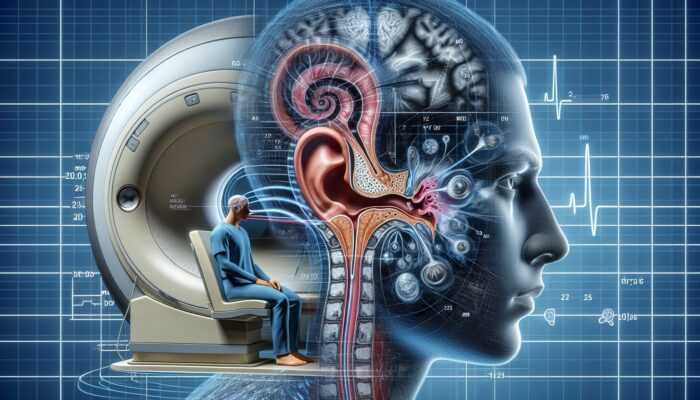
Neurological factors, such as nerve damage, are frequently highlighted by specialists as potential underlying causes of sudden hearing loss. Understanding the intricate relationship between the nervous system and auditory function can clarify how hearing capabilities may be compromised. Common diagnostic tools recommended by experts include audiograms, CT scans, and MRI imaging to assess structural integrity and identify any abnormalities that may contribute to hearing impairments.

  • Audiometric testing to evaluate hearing thresholds and capabilities
  • Imaging studies to analyse structural anomalies within the auditory system
  • Electrophysiological tests to assess nerve function and integrity
  • Blood tests to identify any underlying conditions that may contribute to hearing loss

These diagnostic tools are essential for providing a deeper understanding of the neurological connections involved in hearing loss, paving the way for targeted interventions that address specific underlying issues effectively.

What Are Trusted Methods for Evaluating and Diagnosing Hearing Loss?

Thorough assessments recommended by medical experts are essential for accurately identifying the causes of sudden hearing loss. These evaluation methods uncover underlying issues that may contribute to auditory dysfunction. A comprehensive approach incorporates detailed patient history, physical examinations, and targeted diagnostic testing, ensuring a thorough understanding of the patient’s auditory health.

Expert analysis shows that pinpointing the root cause facilitates targeted treatments, leading to better outcomes for patients experiencing hearing loss. Understanding the variety of evaluation techniques empowers individuals to seek appropriate care, ensuring timely interventions that can effectively preserve their hearing function and overall well-being.

How Do Viral Infections Contribute to the Risk of Hearing Loss?

Experts recognise viral infections, such as those caused by herpes or influenza, as significant contributors to sudden hearing loss. These infections can damage the delicate structures of the inner ear and disrupt normal auditory processing. Consequently, antiviral therapies are frequently recommended as part of the treatment plan for individuals experiencing hearing loss linked to viral aetiologies.

Moreover, preventive vaccines can play a crucial role in reducing the incidence of viral infections known to adversely affect auditory health. Educating individuals about the importance of vaccination and early intervention can dramatically enhance hearing outcomes and overall well-being, ensuring a proactive approach to auditory health.

What Role Do Genetic and Environmental Factors Play in Hearing Loss?

Specialists analyse the interplay between genetic predispositions and environmental factors in exacerbating sudden hearing loss. Genetic research has revealed specific gene mutations that may increase susceptibility to auditory dysfunction. Therefore, genetic counselling can offer significant benefits for patients with a family history of hearing loss, enabling informed decisions about their auditory health.

Additionally, implementing strategies to reduce environmental exposure, such as minimising noise pollution and avoiding harmful chemicals, can significantly mitigate risks. Adopting a proactive approach empowers individuals to take control of their hearing health, effectively lowering the likelihood of sudden hearing loss and its associated complications.

Research-Based Insights into the Mechanisms and Causes of Sudden Hearing Loss

What Are the Key Mechanisms Behind Ear Damage Leading to Hearing Loss?

Research has identified mechanisms such as pressure changes that can lead to sudden hearing loss by directly impacting the cochlea. For example, studies demonstrate that individuals who experience abrupt altitude changes may suffer auditory disturbances due to fluctuating pressure levels, which can ultimately result in sensory loss.

Real-world examples underscore the importance of understanding these mechanisms. By recognising how pressure dynamics affect the inner ear, individuals can take preventive measures when engaging in activities such as flying or scuba diving, thereby safeguarding their hearing health and preventing potential auditory complications.

How Do Underlying Health Issues Exacerbate the Risk of Hearing Loss?

Underlying health conditions can significantly exacerbate sudden hearing loss due to the interconnected nature of various bodily systems. Research findings indicate correlations between chronic conditions like diabetes, hypertension, and auditory dysfunction, reinforcing the need for a holistic approach to overall healthcare and its impact on hearing.

Individuals with chronic health issues should remain vigilant about monitoring their auditory health, as these conditions can considerably influence hearing capabilities. Understanding this relationship can lead to better management strategies that address both hearing health and overall well-being, ensuring a comprehensive approach to maintaining auditory function.

What Preventive Insights Have Studies Revealed Regarding Hearing Health?

Studies highlight various strategies to mitigate the causes of sudden hearing loss through lifestyle modifications and proactive measures. Experts emphasise implementing evidence-based approaches such as practising noise reduction, engaging in regular auditory check-ups, and maintaining a balanced diet rich in essential nutrients that promote ear health.

By adopting these preventive insights, individuals can significantly lower their risk of sudden hearing loss and foster long-term auditory health. Education and awareness about these strategies are vital for promoting proactive measures in hearing conservation, ensuring a healthier auditory future.

What Is the Role of Genetics in the Development of Sudden Hearing Loss?

Genetic research emphasises the importance of hereditary factors in sudden hearing loss, with specific gene mutations implicated in maintaining cochlear health. Individuals with a family history of hearing loss may be at a heightened risk, underscoring the need for genetic counselling and vigilance regarding potential risks associated with their auditory health.

Studies provide valuable insights into familial risks and emerging genetic therapies, offering hope for improved management and prevention strategies. Understanding the genetic landscape of hearing health empowers individuals to seek appropriate interventions, enhancing their auditory well-being and overall quality of life.

What Emerging Therapies Are Being Developed to Address Hearing Loss?

Advancements in medical research have led to promising new therapies for sudden hearing loss, including targeted medications and regenerative techniques. Evidence from clinical trials demonstrates the effectiveness of these therapies in restoring hearing, emphasising the significance of timely intervention based on accurate cause identification.

As research continues to evolve, embracing these emerging therapies may open new avenues for effectively managing and potentially reversing sudden hearing loss, highlighting the importance of ongoing advancements in auditory health and intervention strategies.

What Are the Key Triggers for Sudden Hearing Loss?

How Do Harmful Elements Trigger Sudden Hearing Loss?

Triggers such as chemical irritants and loud noises can lead to sudden hearing loss by damaging sensitive ear structures. Recognising these harmful elements is essential for adopting protective measures early on. Examples of detrimental exposures include industrial chemicals, loud machinery, and certain medications that can negatively affect auditory health.

Individuals working in high-risk environments must prioritise hearing protection to minimise exposure to these hazardous elements. By becoming aware of these triggers, one can take proactive steps to safeguard their auditory health, ensuring long-term well-being and effectively preventing sudden hearing loss.

What Preventive Measures Can Be Implemented to Mitigate Risks of Hearing Loss?

Implementing effective preventive measures, such as routine check-ups, can significantly help counteract the triggers associated with sudden hearing loss. Engaging in regular auditory assessments allows individuals to monitor their hearing health and identify potential issues early. Practical steps, such as using earplugs in loud settings and avoiding prolonged exposure to harmful noise, can greatly reduce risks associated with hearing loss.

Creating awareness about these preventive strategies empowers individuals to take charge of their auditory health proactively. By integrating these measures into their daily routines, individuals can work towards preserving their hearing function and enhancing their overall quality of life through informed choices and proactive behaviours.

What Is the Long-Term Impact of Various Triggers on Hearing Health?

Ongoing effects from various triggers may lead to permanent hearing loss if not addressed promptly, underscoring the importance of proactive measures against sudden hearing loss. Individuals exposed to loud noise over extended periods without sufficient protection are particularly at risk for irreversible damage, which can severely impact their quality of life.

Focusing on adaptive strategies, such as engaging in quieter hobbies or employing soundproofing measures, can help mitigate the long-term impacts of these triggers. Prioritising auditory health is essential for maintaining sound hearing and preventing further deterioration over time, ensuring individuals can enjoy a fulfilling and healthy life.

How to Effectively Prevent and Manage Sudden Hearing Loss

What Strategies Facilitate Early Detection of Hearing Issues?

Early detection of hearing problems involves being alert to warning signs such as muffled sounds or difficulties in understanding speech. Recognising these signs enables individuals to seek timely medical intervention, which can significantly halt the progression of sudden hearing loss and improve outcomes.

Regular auditory assessments should be integrated into routine health check-ups, particularly for individuals at higher risk of hearing loss. By remaining vigilant about changes in hearing ability, one can effectively preserve their hearing function and address potential issues before they escalate into more serious concerns.

What Adaptive Techniques Support Recovery from Hearing Loss?

Adaptive techniques, such as sound therapy, play a crucial role in managing sudden hearing loss by retraining the brain to process auditory information more effectively. These approaches focus on rehabilitation and can greatly enhance daily life and auditory capabilities, providing individuals with the tools they need to adapt to changes in their hearing.

Incorporating sound therapy into recovery plans can promote neural plasticity, allowing individuals to adjust to changes in their auditory perception. Engaging in consistent therapeutic practices fosters resilience in auditory health, empowering those affected to navigate their auditory challenges more effectively and enhance their quality of life.

What Ongoing Maintenance Approaches Should Be Followed for Hearing Health?

Ongoing maintenance approaches encompass regular health monitoring to address potential causes of hearing loss. Consistent check-ups with audiologists can ensure sustained hearing health through proactive measures, such as adjusting hearing aids or exploring new treatment options as they become available.

By prioritising ongoing maintenance, individuals can manage their auditory health more effectively. This proactive approach not only preserves hearing function but also enhances overall quality of life, highlighting the significance of continuous engagement with healthcare professionals and a commitment to optimal hearing health.

What Pharmacological Treatments Are Available for Sudden Hearing Loss?

Pharmacological treatments for sudden hearing loss often involve administering steroids and other medications aimed at reducing inflammation in the inner ear. When administered promptly, these interventions can help preserve or restore hearing function, minimising potential complications and enhancing recovery outcomes.

Regular medical supervision is vital to monitor the effectiveness of these treatments and address any side effects that may arise. By adhering to prescribed regimens and maintaining open communication with healthcare providers, individuals can significantly enhance their chances of a successful recovery from sudden hearing loss and protect their auditory health.

What Lifestyle and Environmental Changes Can Help Protect Hearing Health?

Making lifestyle changes, such as avoiding exposure to loud noises and maintaining a balanced diet rich in antioxidants, can play a crucial role in preventing sudden hearing loss. Environmental modifications, such as employing ear protection in noisy settings, support long-term auditory health and reduce associated risks effectively.

Additionally, incorporating stress management techniques into daily routines can further alleviate potential risk factors for hearing loss. By taking an integrated approach to lifestyle and environmental factors, individuals can foster better auditory health and promote resilience against sudden hearing loss, ensuring a healthier future.

Frequently Asked Questions Regarding Sudden Hearing Loss

What is sudden hearing loss?

Sudden hearing loss refers to an unexpected and rapid decrease in hearing ability, often occurring within a span of days or even hours. It can be partial or complete and may affect one or both ears, necessitating immediate medical evaluation to determine the underlying cause and initiate appropriate treatment.

What causes sudden hearing loss?

Common causes of sudden hearing loss include viral infections, physical trauma, autoimmune disorders, vascular issues, and exposure to loud noises. Identifying the underlying cause is essential for effective treatment and management of hearing health.

How can I prevent sudden hearing loss?

Preventing sudden hearing loss involves avoiding exposure to loud noises, maintaining a healthy lifestyle, managing stress effectively, and regularly checking your hearing health with qualified professionals to identify any potential issues early.

Is sudden hearing loss reversible?

In some instances, sudden hearing loss can be reversible, particularly if treated promptly. However, the extent of recovery often depends on the underlying cause and the timeliness of medical intervention, making early action crucial.

What are the symptoms of sudden hearing loss?

Symptoms can include a rapid decrease in hearing ability, muffled sounds, ringing in the ears (tinnitus), and sometimes vertigo. These symptoms may vary in intensity and duration, necessitating careful monitoring and evaluation.

When should I see a doctor for sudden hearing loss?

You should seek medical attention immediately if you experience sudden hearing loss. Timely medical evaluation is crucial for identifying the cause and initiating appropriate treatment to prevent further complications.

Are there any risk factors for sudden hearing loss?

Risk factors include age, exposure to loud noises, certain medical conditions (such as diabetes), and a family history of hearing loss. Recognising these factors can help mitigate risks effectively and promote better auditory health.

What treatments are available for sudden hearing loss?

Available treatments may include medications like corticosteroids to reduce inflammation, sound therapy, hearing aids, and in some cases, surgical interventions. The treatment plan will depend on the underlying cause determined by a healthcare professional during evaluation.

How can lifestyle changes impact hearing health?

Adopting healthier lifestyle choices, including a balanced diet, regular exercise, and stress management techniques, can significantly enhance overall auditory health and decrease the risk of sudden hearing loss, promoting long-term well-being.

Can sudden hearing loss occur in both ears?

Yes, while sudden hearing loss often affects one ear, it can also occur in both ears simultaneously. If bilateral sudden hearing loss occurs, it is crucial to seek immediate medical attention for proper evaluation and treatment to address the underlying causes effectively.

Join the conversation on X!

The post Causes of Sudden Hearing Loss: Key Factors Explained appeared first on The Microsuction Ear Wax Removal Network.
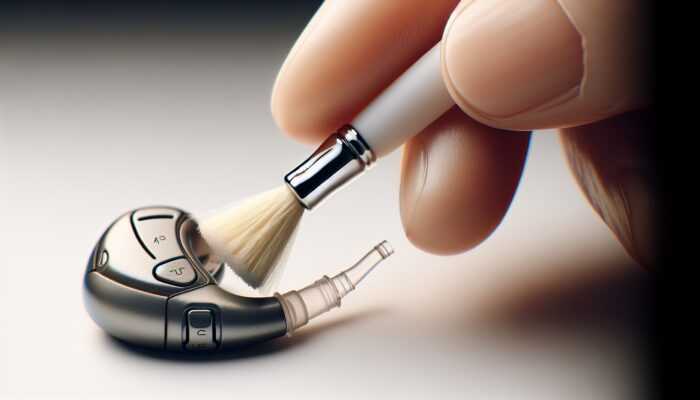
The post Causes of Sudden Hearing Loss: Key Factors Explained appeared first on Healthcare Marketing Service.

Categories
Health & Wellness Hearing Health

Sudden Hearing Loss Causes: Essential Factors Uncovered

Last Updated on 08/02/2026 by Admin

In-Depth Analysis of the Factors Causing Sudden Hearing Loss

What Are the Primary Factors Contributing to Inner Ear Disorders?

Sudden hearing loss frequently arises from a multitude of complications that affect the inner ear. Conditions such as viral infections and blockages can severely disrupt the auditory nerves, leading to a swift onset of symptoms. Research indicates a strong correlation between various viral infections and instances of sudden hearing loss, with many patients experiencing abrupt changes in their hearing capabilities shortly after contracting a virus. This underscores the essential need for prompt medical attention to tackle these complications effectively.

The repercussions of such factors are profound, as the inner ear plays a critical role in sound processing. Disruptions caused by inflammation or physical obstructions prevent auditory signals from reaching the brain effectively, resulting in immediate hearing difficulties. Conditions like labyrinthitis and vestibular neuritis are particularly known to cause acute hearing loss, highlighting the importance of being aware of potential inner ear disorders and seeking appropriate care.

What Everyday Factors Commonly Trigger Hearing Loss?

Daily activities expose individuals to a range of triggers that can lead to sudden hearing loss. Chronic exposure to loud noises, whether they originate from concerts, heavy machinery, or personal audio devices, can inflict damage on the delicate hair cells located within the cochlea, resulting in an immediate decline in hearing ability. Moreover, physical trauma, such as a head injury, can disrupt normal ear function, leading to sudden impairments in hearing.

Being aware of these triggers allows individuals to implement effective preventive measures. For instance, attending concerts or noisy events without sufficient ear protection can significantly heighten the risk of irreversible hearing loss. Understanding these dangers, along with the potential for early intervention, is crucial for maintaining optimal auditory health and preventing further complications.

How Do Environmental and Lifestyle Choices Influence Hearing Health?

Numerous environmental and lifestyle choices play a pivotal role in determining the risk of sudden hearing loss, often placing undue stress on the auditory system. Factors such as pollutants, excessive noise, and poor dietary practices are significant contributors to the overall risk profile for hearing issues. Recognising these factors is vital for effective prevention and proactive management of auditory health.

  • Exposure to noise pollution
  • Smoking and tobacco use
  • Chronic stress levels
  • Poor nutrition and diet
  • Exposure to harmful chemicals
  • High alcohol consumption
  • Lack of regular health check-ups
  • Obesity and a sedentary lifestyle

These lifestyle choices and environmental exposures can increase the likelihood of hearing issues, emphasizing the importance of an integrated approach to preserving auditory health. By embracing healthier habits and minimising exposure to harmful elements, individuals can significantly lower their risk of experiencing sudden hearing loss.

How Does Sudden Hearing Loss Progress Over Time?

What Role Do Vascular Problems Play in Hearing Loss Development?

Vascular problems, particularly those that disrupt blood circulation, significantly contribute to the onset of sudden hearing loss. When the inner ear is deprived of oxygen-rich blood, it can result in rapid sensory damage. This situation is frequently observed in individuals with vascular disorders or those experiencing sudden fluctuations in blood pressure.

Immediate medical attention is crucial in these cases, as prompt intervention can help avert irreversible damage. Symptoms such as sudden deafness or persistent ringing in the ears (tinnitus) may signal an urgent need for a thorough evaluation. Treatments typically focus on addressing underlying vascular issues to restore adequate blood flow, illustrating the vital link between cardiovascular health and auditory function.

What Symptoms Are Associated with Autoimmune Reactions Affecting Hearing?

Autoimmune conditions may lead to sudden hearing loss by triggering inflammation that abruptly impacts auditory structures. Symptoms commonly associated with autoimmune responses include tinnitus, vertigo, and a sudden decline in hearing ability. The body’s immune system can mistakenly target the inner ear, resulting in rapid alterations to auditory health.

Recognising this connection is essential for individuals with pre-existing autoimmune disorders or those experiencing symptoms that could indicate hearing issues. Early diagnosis and appropriate management are critical. Treatment options often include anti-inflammatory medications and immunotherapy aimed at reducing inflammation, thereby helping to preserve hearing capabilities.

What Patterns Can Be Observed in the Onset and Progression of Hearing Loss?

Sudden hearing loss generally appears unexpectedly, with symptoms escalating quickly due to underlying physiological changes. Many patients report a swift decline in hearing abilities, frequently accompanied by other auditory disturbances. This unpredictable onset underscores the necessity for immediate evaluation by healthcare professionals.

As symptoms progress, seeking prompt medical intervention can be transformative. Evaluation methods may encompass audiometric testing and imaging studies to identify the root causes of hearing loss. Recognising the patterns in onset and progression empowers healthcare providers to implement timely and targeted treatment strategies, ultimately enhancing patient outcomes.

What Infectious Agents Are Known to Contribute to Hearing Loss?

Infectious agents, including both viral and bacterial pathogens, can lead to sudden hearing loss by causing inflammation in the inner ear or damaging the auditory nerve. Conditions such as otitis media and viral infections like mumps and measles can result in rapid auditory changes that typically necessitate immediate antiviral or antibiotic treatment. The urgency lies in mitigating potential permanent effects and restoring hearing function.

Timely diagnosis is crucial when infectious causes are suspected. Treatment options may include medications to combat the infection alongside supportive therapies to effectively manage symptoms. Understanding these infectious pathways is vital for ensuring effective intervention and recovery from sudden hearing loss.

Expert Perspectives on the Causes of Sudden Hearing Loss

What Insights Do Experts Offer Regarding Autoimmune Factors in Hearing Loss?

Experts in the field assert that autoimmune responses significantly contribute to sudden hearing loss through various inflammatory processes. This understanding highlights the importance of effectively managing underlying autoimmune conditions. Clinical guidelines recommend regular monitoring of inflammation levels and tailoring treatment strategies to address these challenges appropriately.

Actionable steps for individuals experiencing autoimmune issues may involve dietary adjustments aimed at reducing inflammation, strictly following prescribed treatment plans, and closely monitoring their auditory health. Establishing a comprehensive management plan is essential for minimising the risks associated with sudden hearing loss.

How Are Neurological Connections Explained in Relation to Hearing Loss?

Neurological factors, particularly nerve damage, are frequently highlighted by specialists as potential causes of sudden hearing loss. Understanding the intricate relationship between the nervous system and auditory function can clarify how hearing capabilities may become compromised. Common diagnostic tools recommended by experts include audiograms, CT scans, and MRI imaging to assess structural integrity.

  • Audiometric testing to evaluate hearing thresholds
  • Imaging studies to analyse structural anomalies
  • Electrophysiological tests to assess nerve function
  • Blood tests to identify underlying conditions

These diagnostic tools are crucial for providing a deeper understanding of the neurological connections involved in hearing loss and for paving the way for targeted interventions that address specific underlying issues.

What Reliable Methods Exist for Evaluating Hearing Loss?

Thorough assessments recommended by medical experts are essential for accurately identifying the causes of sudden hearing loss. These evaluation methods uncover underlying issues that may contribute to auditory dysfunction. A comprehensive approach incorporates detailed patient history, physical examinations, and targeted diagnostic testing.

Expert analysis indicates that pinpointing the root cause facilitates targeted treatments, leading to better outcomes for patients. Understanding the variety of evaluation techniques empowers individuals to seek appropriate care, ensuring timely interventions that can effectively preserve hearing function.

How Do Viral Infections Contribute to Hearing Loss?

Experts recognise viral infections, such as those caused by herpes or influenza, as significant contributors to sudden hearing loss. These infections can damage inner ear structures and disrupt normal auditory processing. Consequently, antiviral therapies are frequently recommended as part of the treatment plan for individuals experiencing hearing loss linked to viral causes.

Moreover, preventive vaccines can play a crucial role in reducing the incidence of viral infections known to adversely affect auditory health. Educating individuals about the importance of vaccination and early intervention can dramatically enhance hearing outcomes and overall well-being.

What Influence Do Genetic and Environmental Factors Have on Hearing Loss?

Specialists analyse the interplay between genetic predispositions and environmental factors in exacerbating sudden hearing loss. Genetic research has revealed specific gene mutations that can increase susceptibility to auditory dysfunction. Thus, genetic counselling can offer significant benefits for patients with a family history of hearing loss.

Additionally, implementing strategies to reduce environmental exposure, such as minimising noise pollution and avoiding harmful chemicals, can greatly mitigate risks. Adopting a proactive approach empowers individuals to take control of their hearing health, effectively lowering the likelihood of sudden hearing loss.

Research-Backed Insights into the Causes of Sudden Hearing Loss

What Are the Key Mechanisms Leading to Ear Damage?

Research has identified mechanisms such as pressure changes that can cause sudden hearing loss by directly impacting the cochlea. For instance, studies demonstrate that individuals who undergo abrupt altitude changes may experience auditory disturbances due to fluctuating pressure levels, which can result in sensory loss.

Real-world examples highlight the importance of understanding these mechanisms. By recognising how pressure dynamics affect the inner ear, individuals can take preventive measures when engaging in activities such as flying or scuba diving, thereby safeguarding their hearing health.

How Do Pre-existing Health Conditions Contribute to Hearing Loss?

Underlying health conditions can exacerbate sudden hearing loss due to the interconnected nature of bodily systems. Research findings indicate correlations between conditions like diabetes, hypertension, and auditory dysfunction, reinforcing the need for a holistic approach to overall healthcare.

Individuals with chronic health issues should remain vigilant about monitoring their auditory health, as these conditions can significantly impact hearing capabilities. Understanding this relationship can lead to better management strategies that address both hearing health and overall well-being.

What Preventive Strategies Have Research Studies Highlighted?

Studies emphasise various strategies to mitigate the causes of sudden hearing loss through lifestyle modifications. Experts advocate for evidence-based approaches such as practising noise reduction, engaging in regular auditory check-ups, and maintaining a balanced diet rich in essential nutrients for ear health.

By adopting these preventive insights, individuals can significantly lower their risk of sudden hearing loss and foster long-term auditory health. Education and awareness surrounding these strategies are vital for promoting proactive measures in hearing conservation.

What Role Does Genetics Play in Sudden Hearing Loss?

Genetic research underscores the importance of hereditary factors in sudden hearing loss, with specific gene mutations implicated in maintaining cochlear health. Individuals with a family history of hearing loss may have an increased risk, highlighting the need for genetic counselling and vigilance regarding potential risks.

Studies provide valuable insights into familial risks and emerging genetic therapies, offering hope for improved management and prevention strategies. Understanding the genetic landscape of hearing health empowers individuals to seek appropriate interventions and enhance their auditory well-being.

What New Therapies Are Being Researched for Hearing Loss Treatment?

Advancements in medical research have led to promising new therapies for sudden hearing loss, including targeted medications and regenerative techniques. Evidence from clinical trials demonstrates the effectiveness of these therapies in restoring hearing, emphasising the significance of timely intervention based on accurate cause identification.

As research continues to evolve, embracing these emerging therapies may open new avenues for effectively managing and potentially reversing sudden hearing loss, highlighting the importance of ongoing advancements in auditory health.

What Are the Major Triggers for Sudden Hearing Loss?

How Do Harmful Elements Induce Hearing Loss?

Triggers such as chemical irritants and loud noises can lead to sudden hearing loss by damaging sensitive structures within the ear. Recognising these harmful elements is essential for adopting protective measures early on. Examples of detrimental exposures include industrial chemicals, loud machinery, and certain medications.

Individuals working in high-risk environments must prioritise hearing protection to minimise exposure. By becoming aware of these triggers, individuals can take proactive steps to safeguard their auditory health, ensuring long-term well-being and preventing sudden hearing loss.

What Preventive Actions Can Help Mitigate Hearing Loss Risks?

Implementing effective preventive measures, such as routine check-ups, can help counteract the triggers associated with sudden hearing loss. Engaging in regular auditory assessments allows individuals to monitor their hearing health and identify potential issues early on. Practical steps, such as using earplugs in noisy settings and avoiding prolonged exposure to harmful noise, can significantly reduce risks.

Creating awareness about these preventive strategies empowers individuals to take charge of their auditory health proactively. By integrating these measures into daily routines, individuals can work towards preserving their hearing function and enhancing their overall quality of life.

What Long-Term Effects Do These Triggers Have on Hearing Health?

Ongoing effects from various triggers may lead to permanent hearing loss if not addressed promptly, underscoring the importance of proactive measures against sudden hearing loss. Individuals exposed to loud noise over extended periods without sufficient protection are particularly at risk for irreversible damage.

Focusing on adaptive strategies, such as engaging in quieter hobbies or employing soundproofing measures, can help mitigate the long-term impacts of these triggers. Prioritising auditory health is essential for maintaining sound hearing and preventing further deterioration over time.

How to Effectively Prevent and Manage Sudden Hearing Loss

What Strategies Support Early Detection of Hearing Problems?

Early detection of hearing issues involves being alert to warning signs such as muffled sounds or difficulties in understanding speech. Recognising these signs enables individuals to seek timely medical intervention, which can significantly halt the progression of sudden hearing loss.

Regular auditory assessments should be incorporated into routine health check-ups, especially for individuals at higher risk. By remaining vigilant about changes in hearing ability, individuals can effectively preserve their hearing function and address potential issues before they escalate.

What Adaptive Techniques Enhance Recovery from Hearing Loss?

Adaptive techniques, such as sound therapy, play a vital role in managing sudden hearing loss by retraining the brain to process auditory information more effectively. These approaches focus on rehabilitation and can greatly enhance daily life and auditory capabilities.

Incorporating sound therapy into recovery plans can promote neural plasticity, allowing individuals to adapt to changes in their hearing. Engaging in consistent therapeutic practices fosters resilience in auditory health, empowering those affected to navigate their auditory challenges more effectively.

What Ongoing Maintenance Practices Should Be Followed for Hearing Health?

Ongoing maintenance practices encompass regular health monitoring to address potential causes of hearing loss. Consistent check-ups with audiologists can ensure sustained hearing health through proactive measures, such as adjusting hearing aids or exploring new treatment options as they arise.

By prioritising ongoing maintenance, individuals can manage their auditory health more effectively. This proactive approach not only preserves hearing function but also enhances overall quality of life, highlighting the significance of continuous engagement with healthcare professionals.

What Pharmacological Treatments Are Available for Addressing Hearing Loss?

Pharmacological treatments for sudden hearing loss often involve administering steroids and other medications designed to reduce inflammation within the inner ear. When provided promptly, these interventions can help preserve or restore hearing function, minimising potential complications.

Regular medical supervision is crucial for monitoring the effectiveness of these treatments and addressing any side effects. By adhering to prescribed regimens and maintaining open communication with healthcare providers, individuals can significantly enhance their chances of a successful recovery from sudden hearing loss.

What Lifestyle and Environmental Adjustments Can Help Safeguard Hearing Health?

Making lifestyle changes, such as avoiding exposure to loud noises and following a balanced diet rich in antioxidants, can play a crucial role in preventing sudden hearing loss. Environmental modifications, such as employing ear protection in noisy settings, support long-term auditory health and reduce associated risks.

Additionally, incorporating stress management techniques into daily routines can further alleviate potential risk factors for hearing loss. By taking an integrated approach to lifestyle and environmental factors, individuals can promote better auditory health and resilience against sudden hearing loss.

Frequently Asked Questions Regarding Sudden Hearing Loss

What exactly is sudden hearing loss?

Sudden hearing loss denotes an unexpected and rapid decline in hearing ability, often occurring within days or even hours. It may be partial or complete, affecting one or both ears, necessitating immediate medical evaluation.

What are the common causes of sudden hearing loss?

Common causes of sudden hearing loss encompass viral infections, physical trauma, autoimmune disorders, vascular problems, and exposure to loud noises. Recognising the underlying cause is vital for effective treatment.

How can I effectively prevent sudden hearing loss?

Preventing sudden hearing loss involves steering clear of loud noises, maintaining a healthy lifestyle, managing stress levels, and routinely checking your hearing health with professionals.

Is it possible for sudden hearing loss to be reversible?

In certain cases, sudden hearing loss can indeed be reversible, particularly if treated promptly. However, the degree of recovery often hinges on the underlying cause and the promptness of medical intervention.

What symptoms are indicative of sudden hearing loss?

Symptoms may include a rapid decline in hearing ability, muffled sounds, ringing in the ears (tinnitus), and sometimes vertigo. These symptoms can vary in intensity and duration.

When should I consult a doctor regarding sudden hearing loss?

You should seek medical attention immediately if you experience sudden hearing loss. Timely medical evaluation is crucial for identifying the cause and initiating appropriate treatment.

Are there any identifiable risk factors for sudden hearing loss?

Risk factors include age, exposure to loud noises, certain medical conditions such as diabetes, and a family history of hearing loss. Recognising these factors can help mitigate risks effectively.

What treatment options are available for sudden hearing loss?

Treatment options may include medications like corticosteroids to reduce inflammation, sound therapy, hearing aids, and in certain cases, surgery. The treatment plan will be tailored to the underlying cause as determined by a healthcare professional.

How can lifestyle changes positively impact hearing health?

Adopting healthier lifestyle choices, including a balanced diet, regular exercise, and stress management, can significantly enhance overall auditory health and reduce the risk of sudden hearing loss.

Can sudden hearing loss manifest in both ears?

Yes, while sudden hearing loss often affects one ear, it is also possible for it to occur in both ears simultaneously. If bilateral sudden hearing loss occurs, it is vital to seek immediate medical attention for proper evaluation and treatment.

Join the conversation on X!

The post Causes of Sudden Hearing Loss: Key Factors Explained appeared first on The Microsuction Ear Wax Removal Network.

Categories
Health & Wellness Hearing Aids

Directional Microphones: Key Benefits for Improved Hearing

Last Updated on 07/02/2026 by Admin

Unlocking the Benefits of Using Directional Microphones

What is a Directional Microphone and How Does It Work?

A directional microphone is a sophisticated audio device meticulously designed to focus on sounds emanating from specific directions while effectively minimising background noise. This remarkable feature significantly enhances auditory experiences by accurately pinpointing desired sound sources. People across various contexts, from casual conversations in social settings to professional audio applications, can benefit immensely from this cutting-edge technology. The key components of a directional microphone include:

  • Microphone capsule: This is the core element responsible for converting sound waves into electrical signals.
  • Directional pattern: This aspect defines the shape that determines which sound sources are amplified (for example, cardioid and hypercardioid patterns).
  • Frequency response: This refers to the range of sound frequencies that the microphone can effectively detect.
  • Preamp: This component amplifies the signals from the microphone before they undergo further processing.
  • Noise-cancellation technology: This feature reduces unwanted ambient sounds to enhance audio clarity.
  • Connectivity options: This includes various methods (both wired and wireless) for connecting the microphone to other devices.

These components work harmoniously to deliver exceptionally clear audio output, making directional microphones essential tools for personal use and professional audio solutions alike.

How Do Directional Microphones Function Effectively?

Directional microphones operate based on fundamental principles of acoustic physics, primarily focusing on the selective capture of sound waves. They utilise various directional patterns to isolate targeted sounds, amplifying desired audio signals while filtering out distracting background noise. This focus on specific audio sources markedly enhances clarity, improving communication and auditory perception in everyday scenarios.

By capturing sound waves from designated directions, directional microphones significantly improve listening experiences across diverse situations. For instance, in a lively café, a directional microphone can hone in on the voice of a friend seated across the table, effectively diminishing the cacophony of background chatter. This filtering capability lessens the cognitive load for listeners, facilitating easier engagement in conversations without the need to strain to hear.

Moreover, the advanced technology behind these microphones allows them to adapt to varying environments, making them suitable for everything from intimate gatherings to large public events. In contexts where clarity is paramount, such as conferences or lectures, directional microphones enable users to focus intently on speakers while disregarding irrelevant sounds.

Critical Features to Look for in Directional Microphones

Understanding the essential features of directional microphones can assist users in selecting the ideal device tailored to their specific requirements. One noteworthy feature is adjustable sensitivity, which allows users to customise the microphone’s response based on their unique surroundings. This adaptability proves especially advantageous in dynamic settings where sound levels can fluctuate significantly. Additionally, noise cancellation technology emerges as a critical component, enhancing user experiences by ensuring reliable performance across diverse environments.

Other significant features include:

  • Multiple polar patterns: Users can select from various microphone patterns to best suit their specific setting and requirements.
  • Sensitivity controls: These controls enable users to adjust how much sound is captured from the desired direction.
  • Windshields: These accessories minimise wind noise during outdoor use, ensuring clearer audio capture.
  • Battery life indicators: These keep users informed of power levels to prevent interruptions in use.
  • Lightweight design: This feature enhances portability and ease of handling in various situations.
  • Wireless options: These offer flexibility and convenience for applications on the go.

Collectively, these features enhance the versatility of directional microphones, making them powerful tools for improving sound processing and clarity, benefiting individuals across a range of scenarios.

Discovering the Broad Applications of Directional Microphones

Directional microphones find extensive applications across numerous fields, including broadcasting, hearing aids, and surveillance. Their unique ability to primarily capture sound from specific directions minimises unwanted noise, resulting in superior audio quality. For instance, in the broadcasting industry, journalists rely on directional microphones to ensure that interviews are recorded with remarkable clarity, even amidst bustling environments. This technology is indispensable for achieving clear recordings and facilitating real-time interactions.

In the realm of hearing aids, directional microphones significantly enhance communication for users by filtering out surrounding noise, allowing them to concentrate on conversations. This feature is particularly beneficial in crowded locations where background sounds can be overwhelming. Similarly, in surveillance, these microphones enable security personnel to capture vital audio evidence without interference from irrelevant noises.

The adaptability of directional microphones allows for effective utilisation in various contexts, from theatrical performances where sound clarity is crucial to educational environments where instructors must be clearly heard above classroom chatter. Such versatility underscores the importance of directional microphones in enhancing auditory experiences for users around the globe.

Understanding the Mechanisms Behind Sound Focusing with Directional Microphones

What Role Do Directional Microphones Play in Sound Focusing?

Directional microphones are vital in sound focusing, as they strategically direct audio pickup towards a specific sound source. This process enhances the quality of the recorded signal while minimising interference from other noises. The technology facilitates improved hearing outcomes across various scenarios, particularly in environments where clarity is essential.

Utilising advanced engineering, directional microphones isolate desired audio while filtering out distracting background sounds. This capability proves particularly beneficial in settings such as conferences, where it is crucial to distinguish a speaker’s voice from the ambient noise generated by attendees.

Furthermore, users experience diminished auditory fatigue due to the enhanced quality of the signal, leading to more enjoyable and productive conversations. Over time, this improvement can foster better communication practices and enhance social interactions, making directional microphones indispensable tools in both personal and professional contexts.

Key Mechanisms That Define Directional Microphones

The design of directional microphones incorporates specific mechanisms that effectively isolate sounds. One of the most prevalent patterns employed is the cardioid pattern, which captures sound primarily from the front while rejecting noise from the sides and rear. This distinctive shape allows users to experience enhanced clarity, enabling them to concentrate on the intended audio source without distractions.

Additionally, these microphones utilise acoustic filters that selectively amplify certain frequencies, thereby enhancing the quality of the captured sound. This feature proves particularly advantageous in environments characterised by competing sounds, such as busy streets or crowded venues. By ensuring that only the desired audio is highlighted, directional microphones help alleviate listening fatigue, making it easier for users to engage in extended conversations.

Moreover, the integration of technologies like noise cancellation further optimises these mechanisms, providing users with a seamless auditory experience. By effectively managing environmental noise, directional microphones cultivate a more immersive sound experience, whether in professional settings or everyday life.

Potential Challenges When Using Directional Microphones

While directional microphones offer numerous advantages, certain challenges may arise that can affect their performance. One common issue relates to the setup of these devices. Improper positioning can compromise their effectiveness, leading to suboptimal audio capture. Users may discover that if the microphone is not accurately directed towards the sound source, it can result in unwanted noise interference, undermining the benefits of using a directional microphone.

Understanding the specific requirements for installation and operation is crucial for optimising the device’s effectiveness. Furthermore, environmental factors such as wind, echo, and proximity to other noise sources can also impact performance. For example, in outdoor settings, wind can create turbulence that affects sound clarity, necessitating the use of windshields or other protective accessories.

Regular maintenance is also essential, as wear and tear can diminish audio quality over time. Users should remain mindful of the need to check and replace components like batteries or filters to ensure ongoing performance. By proactively addressing these challenges, users can maximise the advantages of their directional microphones and enjoy sustained audio clarity.

Everyday Applications of Directional Microphones

Directional microphones are becoming increasingly common in everyday scenarios, significantly enhancing communication across various contexts. In personal settings, such as family gatherings or casual meet-ups, these microphones enable users to engage in conversations without the strain of background noise. By concentrating on the person speaking directly, they facilitate smoother interactions and foster stronger social connections.

In professional environments, directional microphones serve as invaluable tools for recording devices and public address systems. For example, in classrooms, these devices enhance learning by clearly capturing the instructor’s voice, allowing students to focus better on lectures and discussions. This results in improved comprehension and academic success while minimising distractions from surrounding noise.

Moreover, in competitive settings like offices, directional microphones support effective communication during meetings and calls. They ensure that everyone hears instructions clearly, reducing errors and fostering a more inclusive professional atmosphere. The adaptability of directional microphones extends to various tasks, promoting consistent utilisation that supports better auditory focus without complications in everyday life.

Comparing Directional Microphones to Other Types: Key Advantages

One of the primary advantages of directional microphones over their omnidirectional counterparts lies in their superior noise cancellation and targeted sound pickup capabilities. This specificity results in clearer audio quality, particularly in noisy environments where background sounds can overpower the intended signal. Users benefit from reduced auditory fatigue, as they no longer have to strain to hear conversations or critical audio cues.

Additionally, directional microphones are often preferred in professional audio settings due to their ability to isolate sounds effectively. This makes them ideal for recording professionals, performers, and public speakers who rely on high-quality audio in their work. However, it is important to note that directional microphones may require careful positioning for optimal results.

While omnidirectional microphones can capture sound from all directions, they sometimes create audio muddiness in challenging acoustic environments. Directional microphones, in contrast, excel at providing a clean and focused audio experience, making them preferable for both personal and professional use.

Expert Recommendations for Enhancing Hearing with Directional Microphones

How Do Experts Suggest Users Integrate Directional Microphones?

Experts emphasise the importance of incorporating directional microphones into daily routines for sustained improvements in hearing. One actionable strategy professionals suggest is assessing specific needs and environments where these devices will be utilised. For instance, individuals who frequently attend lectures or conferences should consider models specifically designed for clarity in such settings, ensuring they effectively capture the speaker’s voice.

Another recommendation involves employing directional microphones in social environments, such as restaurants or gatherings. By strategically placing the microphone between speakers, users can enhance communication, allowing for enjoyable interactions without the strain of background noise. Real-world examples from users have demonstrated that implementing these devices in shared spaces significantly improves audio clarity, leading to more fulfilling conversations.

Moreover, maintaining consistent usage—especially in environments with prevalent background noise—can help users adapt and optimise their hearing experience over time. Experts advocate exploring different models and settings to find the best fit for individual preferences, ensuring long-term auditory health and enjoyment.

Key Benefits Highlighted by Audio Specialists

According to specialists, one of the key advantages of utilising directional microphones is the enhanced sound isolation they provide. This targeted amplification allows users to engage more deeply in conversations, which is vital for long-term auditory health. By minimising exposure to distracting background sounds, individuals can reduce listening fatigue and improve their overall communication experience.

Additionally, specialists note that the technology behind these devices supports auditory processing, making it easier for users to differentiate between various sound sources. This capability is particularly beneficial in environments where multiple conversations occur simultaneously, such as bustling cafes or crowded events. The ability to focus on specific speakers while filtering out noise promotes a more satisfying social experience.

Furthermore, the psychological benefits of improved hearing cannot be overstated. Users report feeling more confident and engaged during conversations, leading to better social interactions and a greater sense of connection with others. This enhanced quality of life represents a significant advantage of integrating directional microphones into daily routines.

Advanced Tips from Audio Professionals for Optimal Use

Advanced tips from professionals can further optimise the performance of directional microphones. Regular maintenance is crucial for maximising efficiency. Users should routinely inspect for any physical damage or wear, as this can significantly impact audio quality. Keeping the microphone clean and free from dust is also essential to prevent interference in sound capture.

In addition, professionals recommend experimenting with different directional settings to find the optimal pickup pattern for each environment. For instance, in a quiet setting, a narrower pickup pattern may enhance clarity, while a broader pattern could be beneficial in more dynamic situations. Understanding how to manipulate these settings allows users to effectively adapt their microphones to various needs.

Another valuable tip is to consider using accessories like pop filters or windshields when outdoors or in noisy environments. These additions can further minimise unwanted noise and enhance the microphone’s performance. By employing these advanced strategies, users can significantly improve their listening and communication experiences.

What Are the Key Advantages of Using Directional Microphones?

How Do They Enhance Daily Social Interactions?

Directional microphones dramatically enhance daily interactions by reducing the listening effort required during conversations. This improvement makes social engagements more enjoyable and effective for all participants involved. By filtering out background noise, these devices allow individuals to concentrate on the speaker, fostering clearer exchanges and minimising misunderstandings.

When utilised in social environments, directional microphones can transform the experience of dining with friends in a bustling restaurant or participating in group discussions. Users frequently find that they can engage more fully without the strain of competing sounds, leading to more meaningful interactions.

Moreover, the clarity provided by directional microphones boosts confidence in social situations. Individuals who may have previously felt hesitant in noisy environments can now participate actively, enhancing their overall quality of life. The ability to communicate effectively fosters connections, enriching both personal and professional relationships.

Significant Benefits for Accessibility

Directional microphones offer substantial advantages for accessibility, making communication more effective for individuals with hearing difficulties. One key benefit is improved sound isolation, which is critical for clear communication in various contexts. By minimising background noise, users can focus on the speaker, facilitating better understanding and engagement.

Practical enhancements include:

  • Personalised auditory experiences: Allowing users to customise their audio input to meet their specific needs.
  • Increased participation: Enabling individuals to engage more fully in conversations without straining to hear.
  • Reduced cognitive load: Lessening the effort required to follow discussions, leading to decreased fatigue.
  • Improved learning outcomes: Benefiting students in educational environments by enhancing sound clarity during lectures.
  • Greater social engagement: Fostering meaningful interactions in crowded settings.

By improving the accessibility of communication, directional microphones empower individuals to participate actively in both social and professional domains, promoting inclusivity and enriching life experiences.

Long-Term Effects on Users’ Communication Skills

The long-term effects of utilising directional microphones can be profoundly positive. Consistent use of these devices can lead to reduced strain on hearing, promoting overall well-being through sustained audio clarity. As individuals adapt to using directional microphones, they often discover an increased capacity to engage in conversations without the fatigue associated with background noise.

Over time, users may find their listening skills sharpen as they become accustomed to distinguishing between various audio sources. This enhanced auditory processing can improve communication dynamics in personal and professional settings, fostering stronger relationships. Additionally, the confidence built through clearer communication can positively impact social interactions, leading to richer experiences.

Furthermore, the long-term integration of directional microphones can contribute to improved hearing health. By minimising exposure to excessive background noise, users can protect their auditory systems from unnecessary strain, ultimately supporting their overall quality of life.

Research-Backed Advantages of How Directional Microphones Enhance Hearing

What Evidence Supports Their Efficacy?

Numerous studies have demonstrated the effectiveness of directional microphones in enhancing sound perception. Experts have noted significant improvements in clarity and user satisfaction through controlled testing environments. These findings highlight how targeted audio delivery can positively impact individuals’ listening experiences.

For instance, research indicates that users of directional microphones report higher levels of satisfaction in social settings compared to those using conventional microphones. This is particularly relevant for individuals with hearing impairments, as the ability to focus on specific sounds can dramatically enhance their engagement in conversations.

Moreover, real-world applications underscore the benefits of directional microphones across various settings, from classrooms to public events. Users consistently report that these devices facilitate a more immersive and engaging auditory experience, emphasising their effectiveness in enhancing communication.

Key Insights Derived from Analyses and Studies

Analyses of directional microphone usage reveal several key findings supporting their integration into daily routines. Research indicates significant reductions in background noise levels, leading to a clearer auditory experience. Users can substantially benefit from the ability to concentrate on conversations without the distraction of competing sounds.

Furthermore, these findings offer actionable steps for individuals seeking to enhance their listening environments. By strategically employing directional microphones, users can create more effective communication setups in their homes, workplaces, and social venues.

The evidence also suggests that users who consistently utilise directional microphones experience long-term benefits, including improved auditory processing and heightened engagement in social situations. Thus, incorporating directional microphones into daily life can lead to an enhanced quality of life, making them a valuable investment.

Implications for Future Developments in Microphone Technology

Ongoing studies on directional microphones suggest that future enhancements could amplify their benefits even further. As technology continues to evolve, new designs and features may emerge that improve sound quality and user experience. For example, advancements in artificial intelligence could lead to microphones that dynamically adapt to changing sound environments, providing users with a tailored auditory experience in real-time.

Experts also anticipate that emerging technologies may facilitate better integration of directional microphones with other audio devices, creating more seamless communication systems. This could enhance accessibility for individuals with hearing impairments, enabling them to participate meaningfully in various settings.

As the field of hearing technology progresses, professionals foresee further innovations that will refine the performance of directional microphones, ensuring users enjoy the best possible auditory experiences. The implications of these advancements are profound, offering exciting possibilities for improving hearing and communication in the years to come.

Guidelines for Selecting the Ideal Directional Microphone

What Key Factors Should Be Evaluated in Your Selection Process?

When choosing a directional microphone, several critical factors should be assessed to ensure optimal performance and user satisfaction. One of the most significant aspects is sensitivity, which determines how responsive the microphone is to varying sound levels. Higher sensitivity can effectively capture quieter sounds, but it may also amplify unwanted background noise in dynamic environments.

Compatibility represents another important consideration. Users should verify that their chosen microphone is compatible with their existing devices, such as hearing aids, recording equipment, or smartphones. This compatibility ensures seamless integration, allowing users to maximise the microphone’s effectiveness.

Additionally, users should consider the microphone’s directional pattern. Different patterns (such as cardioid, supercardioid, or hypercardioid) serve different purposes, so selecting the right one based on intended use is crucial. Ultimately, evaluating these factors will help users make informed decisions, ensuring they choose a directional microphone that meets their unique needs.

Common Mistakes to Avoid When Selecting Directional Microphones

Selecting the wrong directional microphone can lead to suboptimal results, making it essential to understand common pitfalls. One frequent mistake is overlooking compatibility with other devices. Users should ensure that their directional microphones can connect seamlessly with their hearing aids or audio systems, as failure to do so can diminish performance.

Another common error is neglecting to consider the listening environment. Users should assess whether they need a microphone for quieter settings, such as a home office, or for louder environments like busy restaurants. Failing to consider these factors can result in frustrating listening experiences.

Moreover, some users may prioritise price over quality, which can be detrimental in the long run. While budget constraints are valid, investing in a high-quality directional microphone can yield substantial benefits in terms of clarity and durability. By avoiding these mistakes, users can make effective choices that enhance their hearing experience.

Testing Options for Directional Microphones

Testing different directional microphone models is a vital step in identifying the best fit for individual needs and preferences. Many retailers and manufacturers provide trial options, allowing users to experience the performance of various models before making a purchase. This hands-on approach can significantly inform a user’s decision, as they can assess how each microphone captures sound in their specific environments.

During testing, users should pay attention to how the microphone responds to different sound sources and ambient noise levels. This will provide valuable insights into the microphone’s effectiveness in real-world scenarios. Additionally, evaluating comfort and ease of use is essential, particularly for those considering directional microphones for extended periods, such as during lectures or meetings.

Many audiologists and sound engineers also offer consultation services to help users select the most suitable directional microphones based on their unique auditory needs. Taking advantage of these testing options can lead to more informed decisions and ultimately enhance the overall listening experience.

Budget and Financial Considerations for Directional Microphones

When selecting a directional microphone, it is crucial to evaluate not only the initial price but also long-term costs associated with maintenance, batteries, and potential upgrades. While a higher upfront investment may seem daunting, users should consider the quality and durability that often accompany premium models. These microphones are typically designed to offer superior performance over time, reducing the need for frequent replacements.

Additionally, users should factor in ongoing costs, such as replacement batteries or accessories that enhance functionality. For instance, investing in windscreens or cases designed for directional microphones can improve performance and longevity but may add to the total cost.

By taking a comprehensive approach to budgeting, users can make choices that align with their financial situation while ensuring lasting value and satisfaction from their directional microphone. This strategic planning will ultimately support a more fulfilling auditory experience.

Everyday Uses of Directional Microphones and Their Impact on Communication

How Do Directional Microphones Enhance Communication in Daily Life?

Directional microphones significantly enhance communication in various everyday scenarios, allowing for clearer exchanges during routine activities. By focusing on specific sound sources, these devices minimise background noise, making interactions smoother and more productive for everyone involved.

In busy environments, such as cafés or social gatherings, the ability to capture sound primarily from the speaker helps users stay engaged without straining to hear. This technology fosters meaningful conversations, enhancing personal connections between individuals.

Moreover, in professional settings, such as meetings or presentations, directional microphones ensure that everyone hears instructions and discussions clearly. This clarity reduces misunderstandings and fosters a more collaborative atmosphere, ultimately leading to increased productivity. The adaptability of directional microphones to various tasks supports effective communication in daily life, enriching users’ experiences across different contexts.

Integrating Directional Microphones into Daily Routines for Improved Hearing

Integrating directional microphones into daily routines can promote consistent use that supports better auditory focus without complications. These devices can seamlessly adapt to various tasks, making them invaluable tools for enhancing communication in both personal and professional contexts.

In work environments, for example, using directional microphones during conference calls allows team members to engage more actively, ensuring each participant’s voice is clearly heard. This not only improves meeting dynamics but also fosters a culture of collaboration and inclusivity.

In personal settings, individuals can utilise directional microphones during social gatherings or family events, preventing background noise from overwhelming conversations. By incorporating these devices into everyday life, users can significantly improve their auditory focus, leading to richer and more enjoyable interactions.

The Expanding Potential for Directional Microphones in Various Applications

Exploring the versatile applications of directional microphones can expand their utility, ensuring long-lasting benefits for improved hearing across all aspects of life. Beyond traditional uses in broadcasting and surveillance, these devices can enhance communication in myriad arenas, from education to personal interactions.

For example, in classrooms, directional microphones can support instructors by ensuring their voices are heard clearly above background chatter. This application enhances student engagement and comprehension, ultimately leading to better learning outcomes.

Similarly, in healthcare settings, directional microphones can assist professionals in accurately communicating with patients, particularly in noisy environments such as hospitals or clinics. The adaptability of directional microphones ensures they serve a broad spectrum of needs, promoting better auditory experiences in diverse contexts.

As technology continues to advance, the potential for broader use of directional microphones only grows, paving the way for innovative applications that improve hearing health and communication globally.

Benefits of Directional Microphones in Educational Settings

In educational environments, directional microphones enhance learning by improving sound clarity in classrooms. These tools help students focus better on lectures and discussions, leading to higher comprehension and academic success while minimising distractions from background noise.

Teachers can leverage directional microphones to ensure their voices are captured clearly, enabling students to engage more fully in lessons, even in larger classrooms where distance can be a barrier. By reducing auditory strain, these devices create a more conducive learning environment, helping students absorb information effectively.

Furthermore, directional microphones can support students with hearing impairments by providing amplified sound directly from the teacher while filtering out classroom distractions. This inclusivity ensures that all students have equal access to educational opportunities, enhancing overall classroom dynamics and fostering a positive learning culture.

Advantages of Directional Microphones in Professional Environments

In professional settings, directional microphones bolster effective communication during meetings and calls, significantly boosting productivity and collaboration. By ensuring users hear instructions clearly, these devices reduce errors and foster a more inclusive professional atmosphere.

During large team meetings, directional microphones can capture the voices of multiple speakers while filtering out background noise, ensuring that everyone can engage without strain. This clarity encourages open dialogue and collaboration, leading to improved team dynamics and outcomes.

Additionally, in client-facing roles, professionals can utilise directional microphones to enhance interactions with customers. By providing clear audio, these devices ensure that communication is effective, thereby building trust and confidence in professional relationships. The integration of directional microphones into workplace practices ultimately enhances communication quality, fostering greater productivity and collaboration.

Frequently Asked Questions (FAQs)

What defines a directional microphone?

A directional microphone is engineered to focus on sounds originating from specific directions while minimising background noise, thereby enhancing clarity in various settings.

How do directional microphones enhance sound quality?

They selectively capture sound waves, amplifying desired audio signals and filtering out irrelevant noises, resulting in clearer audio perception.

What are the common applications of directional microphones?

They are utilised in broadcasting, hearing aids, surveillance, education, and public address systems to enhance audio quality across diverse environments.

How should I choose the right directional microphone?

Evaluate factors such as sensitivity, compatibility, and directional patterns to select the best microphone for your specific needs and environment.

What advantages do directional microphones offer in educational settings?

They enhance sound clarity in classrooms, assist students in focusing better, and support individuals with hearing impairments, leading to improved learning outcomes.

Can directional microphones be effectively used outdoors?

Yes, they can be adapted for outdoor use, especially with windshields to minimise wind noise and enhance audio clarity.

What maintenance is required for directional microphones?

Regularly inspect for physical damage, clean the device, and replace components like batteries as needed to ensure optimal performance.

What challenges might arise when using directional microphones?

Improper setup or positioning can lead to performance issues, and environmental factors such as wind or noise can affect sound capture quality.

Are there drawbacks to using directional microphones?

They may require careful positioning for optimal results and can sometimes overlook sounds from other directions, leading to missed audio cues.

How can I test different directional microphones before purchasing?

Many retailers offer trial options, enabling you to experience the performance of various models in real-world scenarios before making a decision.

Join us on X today!

The post Directional Microphones: Enhancing Hearing with Key Benefits appeared first on The Microsuction Ear Wax Removal Network.

The post Directional Microphones: Enhancing Hearing with Key Benefits appeared first on Healthcare Marketing Service.

Categories
Health & Wellness Hearing Aids

Directional Microphones: Key Benefits for Enhanced Hearing

Last Updated on 07/02/2026 by Admin

Unlocking the Key Advantages of Directional Microphones for Superior Hearing

What is the Functionality of a Directional Microphone?

A directional microphone is a highly specialised audio device designed to focus on sounds that originate from particular directions while significantly diminishing background noise. This remarkable capability enhances auditory experiences by accurately capturing desired audio sources, making it an invaluable tool for various scenarios, from casual conversations to professional audio settings. The primary components of a directional microphone include:

  • Microphone capsule: This vital element converts sound waves into electrical signals.
  • Directional pattern: This defines the specific shape that determines which sound sources are amplified (e.g., cardioid, hypercardioid).
  • Frequency response: The spectrum of sound frequencies that the microphone can effectively capture.
  • Preamp: This amplifies the signals from the microphone before further processing.
  • Noise-cancellation technology: This reduces unwanted ambient sounds, enhancing audio clarity.
  • Connectivity options: Various methods (wired or wireless) for connecting to devices.

These components work in harmony to deliver crystal-clear audio output, making directional microphones essential tools for both personal and professional audio applications.

How Do Directional Microphones Work to Enhance Sound Quality?

Directional microphones operate based on essential principles of sound physics, particularly focusing on the selective capture of sound waves. By utilising different directional patterns, they effectively isolate targeted sounds, amplifying desirable audio signals while filtering out distracting background noise. This emphasis on specific audio sources significantly enhances clarity, improving communication and auditory perception across various everyday situations.

For instance, in a bustling café, a directional microphone can zone in on a friend’s voice sitting across the table, effectively minimising the clatter of background chatter. This filtering capability also eases the cognitive burden on listeners, making it simpler to engage in conversations without straining to hear.

Moreover, the sophisticated technology behind these microphones allows them to adapt to varying environments, making them suitable for everything from intimate gatherings to large public events. In contexts where clarity is paramount, such as conferences or lectures, directional microphones empower users to focus intently on speakers while disregarding irrelevant sounds.

Key Features That Make Directional Microphones Stand Out

Understanding the essential features of directional microphones can guide users in selecting the perfect device tailored to their needs. One notable feature is adjustable sensitivity, which allows users to customise the microphone’s response according to their specific surroundings. This adaptability is particularly beneficial in dynamic environments where sound levels can vary significantly. Additionally, noise cancellation technology is a critical component that enhances user experiences by ensuring reliable performance in diverse settings.

Other significant features include:

  • Multiple polar patterns: Users can select from various microphone patterns to best suit their specific setting and requirements.
  • Sensitivity controls: Enabling users to adjust how much sound is captured from the desired direction.
  • Windshields: These minimise wind noise during outdoor use for clearer audio capture.
  • Battery life indicators: Keeping users informed of power levels to prevent interruptions during use.
  • Lightweight design: Enhancing portability and ease of handling in various situations.
  • Wireless options: Offering flexibility and convenience for on-the-go applications.

These features collectively enhance the versatility of directional microphones, making them powerful tools for improving sound processing and clarity, benefiting individuals across a wide range of scenarios.

Exploring the Diverse Applications of Directional Microphones

Directional microphones are widely utilised across multiple fields, including broadcasting, hearing aids, and surveillance. Their unique ability to capture sound primarily from specific directions while minimising unwanted noise results in superior audio quality. For example, in the broadcasting industry, journalists rely on directional microphones to ensure interviews are recorded with exceptional clarity, even amidst noisy environments. This technology is vital for achieving clear recordings and facilitating real-time interactions.

In the realm of hearing aids, directional microphones significantly enhance communication for users by filtering out surrounding noise, allowing them to concentrate on conversations. This feature is particularly advantageous in crowded places where background sounds can be overwhelming. Similarly, in surveillance, these microphones enable security personnel to capture vital audio evidence without interference from unrelated noises.

The adaptability of directional microphones allows them to be effectively employed in a range of contexts, from theatrical performances, where sound clarity is critical, to educational environments where instructors need to be clearly heard above classroom chatter. Such versatility underscores the essential role of directional microphones in enhancing auditory experiences globally.

How Do Directional Microphones Facilitate Sound Focusing?

What Is Their Role in Enhancing Audio Clarity?

Directional microphones play a crucial role in sound focusing by strategically directing audio capture towards a designated sound source. This process not only improves the quality of the recorded signal but also minimises interference from other ambient noises. The technology facilitates enhanced hearing outcomes across diverse scenarios, particularly in environments where clarity is essential.

Utilising advanced engineering, directional microphones isolate desired audio while filtering out distracting background sounds. This capability is especially beneficial in settings such as conferences, where it is vital to distinguish a speaker’s voice from the ambient noise generated by attendees.

Moreover, users experience reduced auditory fatigue due to the enhanced quality of the signal, leading to more enjoyable and productive conversations. Over time, this improvement can foster better communication practices and enhance social interactions, making directional microphones indispensable tools in both personal and professional contexts.

Key Mechanisms That Enable Directional Microphones to Excel

The design of directional microphones incorporates specific mechanisms that effectively isolate sounds. One of the most common patterns employed is the cardioid pattern, which captures sound primarily from the front while rejecting noise from the sides and rear. This distinctive shape enables users to experience enhanced clarity, allowing them to focus on the intended audio source without distractions.

Additionally, these microphones utilise acoustic filters that selectively amplify certain frequencies, thus enhancing the quality of the captured sound. This is particularly advantageous in environments characterised by competing sounds, such as busy streets or crowded venues. By ensuring that only the desired audio is highlighted, directional microphones help alleviate listening fatigue, making it easier for users to engage in prolonged conversations.

Furthermore, the integration of technologies like noise cancellation further enhances these mechanisms, providing users with a seamless auditory experience. By effectively managing environmental noise, directional microphones cultivate a more immersive sound experience, whether in professional settings or everyday life.

Challenges to Consider When Using Directional Microphones

While directional microphones offer numerous benefits, certain challenges may arise that can impact their performance. One common issue relates to the setup of these devices. Improper positioning can compromise their effectiveness, resulting in suboptimal audio capture. Users may discover that if the microphone is not accurately directed towards the sound source, it can lead to unwanted noise interference, detracting from the advantages of using a directional microphone.

Understanding the specific requirements for installation and operation is crucial for optimising the device’s effectiveness. Additionally, environmental factors such as wind, echo, and proximity to other noise sources can also influence performance. For instance, in outdoor settings, wind can create turbulence that affects sound clarity, necessitating the use of windshields or other protective accessories.

Regular maintenance is essential, as wear and tear can diminish audio quality over time. Users should be proactive in checking and replacing components like batteries or filters to ensure ongoing performance. By addressing these challenges proactively, users can maximise the benefits of their directional microphones and enjoy sustained audio clarity.

Practical Applications of Directional Microphones in Everyday Life

Directional microphones have become increasingly prevalent in everyday scenarios, significantly enhancing communication across various contexts. In personal settings, such as family gatherings or casual meet-ups, these microphones enable users to engage in conversations without the burden of background noise. By concentrating on the individual speaking directly, they facilitate smoother interactions and foster stronger social connections.

In professional environments, directional microphones serve as invaluable tools for recording devices and public address systems. For instance, in classrooms, these devices enhance learning by clearly capturing the instructor’s voice, which helps students focus better on lectures and discussions. This ultimately results in improved comprehension and academic success while minimising distractions from surrounding noise.

Moreover, in competitive settings such as offices, directional microphones support effective communication during meetings and calls. They ensure that everyone hears instructions clearly, reducing errors and fostering a more inclusive professional atmosphere. The adaptability of directional microphones extends to various tasks, promoting consistent utilisation that supports better auditory focus without complications in daily life.

Why Directional Microphones Are Superior to Other Types

One of the primary advantages of directional microphones, compared to their omnidirectional counterparts, lies in their enhanced noise cancellation and targeted sound pickup capabilities. This specificity results in clearer audio quality, particularly in noisy environments where background sounds can overshadow the intended signal. Users benefit from reduced auditory fatigue, as they no longer have to strain to hear conversations or essential audio cues.

Additionally, directional microphones are often preferred in professional audio settings due to their ability to isolate sounds effectively. This makes them ideal for recording professionals, performers, and public speakers who rely on high-quality audio in their work. However, it is important to note that directional microphones may require careful positioning for optimal results.

While omnidirectional microphones can capture sound from all directions, they sometimes result in audio muddiness in challenging acoustic environments. Directional microphones, on the other hand, excel at providing a clean and focused audio experience, making them preferable for both personal and professional use.

Expert Recommendations on Optimising Hearing with Directional Microphones

How Can Experts Guide Effective Integration?

Experts emphasise the importance of incorporating directional microphones into daily routines for sustained improvements in hearing. One actionable strategy that professionals suggest is assessing specific needs and environments where these devices will be utilised. For example, individuals who frequently attend lectures or conferences should consider models designed specifically for clarity in such settings, ensuring they effectively capture the speaker’s voice.

Another recommendation is to employ directional microphones in social environments, such as restaurants or gatherings. Strategically placing the microphone between speakers can significantly enhance communication, allowing for enjoyable interactions without the strain of background noise. Real-world examples from users have demonstrated that implementing these devices in shared spaces markedly improves audio clarity, leading to more fulfilling conversations.

Moreover, maintaining consistent usage—especially in environments with prevalent background noise—can help users adapt and optimise their hearing experience over time. Experts advocate exploring different models and settings to discover the best fit for individual preferences, ensuring long-term auditory health and enjoyment.

Key Benefits Highlighted by Specialists

According to specialists, one of the key advantages of utilising directional microphones is the enhanced sound isolation they provide. This targeted amplification allows users to engage more deeply in conversations, which is vital for long-term auditory health. By minimising exposure to distracting background sounds, individuals can reduce listening fatigue and improve their overall communication experience.

Additionally, specialists note that the technology behind these devices supports auditory processing, making it easier for users to differentiate between various sound sources. This capability is particularly beneficial in environments where multiple conversations occur simultaneously, such as bustling cafes or crowded events. The ability to focus on specific speakers while filtering out noise promotes a more satisfying social experience.

Furthermore, the psychological benefits of improved hearing cannot be overstated. Users report feeling more confident and engaged during conversations, leading to better social interactions and a greater sense of connection with others. This enhanced quality of life represents a significant advantage of integrating directional microphones into daily routines.

Advanced Tips from Professionals for Enhanced Performance

Advanced tips from professionals can further optimise the performance of directional microphones. Regular maintenance is crucial for maximising efficiency. Users should routinely inspect for any physical damage or wear, as this can significantly affect audio quality. Keeping the microphone clean and free from dust is also essential to prevent interference in sound capture.

In addition, professionals recommend experimenting with different directional settings to find the optimal pickup pattern for each environment. For instance, in a quiet setting, a narrower pickup pattern may enhance clarity, while a broader pattern could be advantageous in more dynamic situations. Understanding how to manipulate these settings allows users to adapt their microphones effectively to various needs.

Another valuable tip is to consider using accessories like pop filters or windshields when outdoors or in noisy environments. These additions can further minimise unwanted noise and enhance the microphone’s performance. By employing these advanced strategies, users can significantly improve their listening and communication experiences.

What Are the Unique Advantages of Using Directional Microphones?

How Do They Transform Daily Interactions?

Directional microphones dramatically elevate daily interactions by reducing the listening effort required during conversations. This enhancement makes social engagements more enjoyable and effective for all participants involved. By filtering out background noise, these devices allow individuals to concentrate on the speaker, fostering clearer exchanges and minimising misunderstandings.

When utilised in social environments, directional microphones can transform the experience of dining with friends in a bustling restaurant or participating in group discussions. Users frequently find they can engage more fully without the strain of competing sounds, leading to more meaningful interactions.

Moreover, the clarity provided by directional microphones boosts confidence in social situations. Individuals who may have previously felt hesitant in noisy environments can now participate actively, enhancing their overall quality of life. The ability to communicate effectively fosters connections, enriching both personal and professional relationships.

Main Benefits for Accessibility and Inclusion

Directional microphones offer substantial advantages for accessibility, making communication more effective for individuals with hearing difficulties. One key benefit is improved sound isolation, which is critical for clear communication in various contexts. By minimising background noise, users can focus on the speaker, facilitating better understanding and engagement.

Practical enhancements include:

  • Personalised auditory experiences: Allowing users to customise their audio input to meet their specific needs.
  • Increased participation: Enabling individuals to engage more fully in conversations without straining to hear.
  • Reduced cognitive load: Lessening the effort required to follow discussions, leading to reduced fatigue.
  • Improved learning outcomes: Benefiting students in educational environments by enhancing sound clarity during lectures.
  • Greater social engagement: Fostering meaningful interactions in crowded settings.

By enhancing the accessibility of communication, directional microphones empower individuals to participate actively in both social and professional domains, promoting inclusivity and enriching life experiences.

Long-Term Positive Effects on Users

The long-term effects of utilising directional microphones on users can be profoundly positive. Consistent use of these devices can lead to reduced strain on hearing, promoting overall well-being through sustained audio clarity. As individuals adapt to using directional microphones, they often discover an increased capacity to engage in conversations without the fatigue associated with background noise.

Over time, users may find their listening skills sharpen as they become accustomed to distinguishing between various audio sources. This enhanced auditory processing can improve communication dynamics in both personal and professional settings, fostering stronger relationships. Additionally, the confidence built through clearer communication can positively impact social interactions, leading to richer experiences.

Furthermore, the long-term integration of directional microphones can contribute to improved hearing health. By minimising exposure to excessive background noise, users can protect their auditory systems from unnecessary strain, ultimately supporting their overall quality of life.

Research-Backed Benefits of Directional Microphones in Enhancing Hearing

What Evidence Supports Their Effectiveness in Communication?

Numerous studies have demonstrated the effectiveness of directional microphones in enhancing sound perception. Experts have noted significant improvements in clarity and user satisfaction through controlled testing environments. These findings highlight how targeted audio delivery can positively impact individuals’ listening experiences.

For instance, research indicates that users of directional microphones report higher levels of satisfaction in social settings compared to those using traditional microphones. This is especially relevant for individuals with hearing impairments, as the ability to focus on specific sounds can dramatically enhance their engagement in conversations.

Moreover, real-world applications underscore the benefits of directional microphones across various settings, from classrooms to public events. Users consistently report that these devices facilitate a more immersive and engaging auditory experience, emphasising their effectiveness in enhancing communication.

Key Findings from Research Analyses

Analyses of directional microphone usage reveal several key findings supporting their integration into daily routines. Research indicates significant reductions in background noise levels, leading to a clearer auditory experience. Users can substantially benefit from the ability to concentrate on conversations without the distraction of competing sounds.

Furthermore, these findings offer actionable steps for individuals seeking to enhance their listening environments. By strategically employing directional microphones, users can create more effective communication setups in their homes, workplaces, and social venues.

The evidence also suggests that users who consistently utilise directional microphones experience long-term benefits, including improved auditory processing and heightened engagement in social situations. Thus, incorporating directional microphones into daily life can lead to an enhanced quality of life, making them a valuable investment.

Implications for Future Advances in Hearing Technology

Ongoing studies on directional microphones suggest that future enhancements could amplify their benefits even further. As technology continues to evolve, new designs and features may emerge that improve sound quality and user experience. For example, advancements in artificial intelligence could lead to microphones that dynamically adapt to changing sound environments, providing users with a customised auditory experience in real-time.

Experts also anticipate that emerging technologies may facilitate better integration of directional microphones with other audio devices, creating more seamless communication systems. This could enhance accessibility for individuals with hearing impairments, allowing them to participate meaningfully in diverse settings.

As the field of hearing technology progresses, professionals foresee further innovations that will refine the performance of directional microphones, ensuring users enjoy the best possible auditory experiences. The implications of these advancements are profound, offering exciting possibilities for improving hearing and communication in the years to come.

How to Select the Ideal Directional Microphone?

What Key Factors Should Be Considered?

When selecting a directional microphone, several critical factors should be evaluated to ensure optimal performance and user satisfaction. One of the most significant aspects is sensitivity, which determines how responsive the microphone is to sound levels. Higher sensitivity can capture quieter sounds, but it may also amplify unwanted background noise in dynamic environments.

Compatibility is another important consideration. Users should verify that their chosen microphone is compatible with their existing devices, such as hearing aids, recording equipment, or smartphones. This compatibility ensures seamless integration, allowing users to maximise the microphone’s effectiveness.

Additionally, users should consider the microphone’s directional pattern. Different patterns (such as cardioid, supercardioid, or hypercardioid) serve various purposes, so selecting the right one based on intended use is crucial. Ultimately, evaluating these factors will help users make informed decisions, ensuring they choose a directional microphone that meets their unique needs.

Avoiding Common Selection Mistakes

Selecting the wrong directional microphone can lead to suboptimal results, making it essential to understand common pitfalls. One frequent mistake is overlooking compatibility with other devices. Users should ensure that their directional microphones can connect seamlessly with their hearing aids or audio systems, as failure to do so can diminish performance.

Another common error is neglecting to consider the listening environment. Users should assess whether they need a microphone for quieter settings, such as a home office, or for noisier environments like busy restaurants. Failing to consider these factors can result in frustrating listening experiences.

Moreover, some users may prioritise price over quality, which can be detrimental in the long run. While budget constraints are valid, investing in a high-quality directional microphone can yield substantial benefits in terms of clarity and durability. By avoiding these mistakes, users can make effective choices that enhance their hearing experience.

Testing Options and Trials Available

Testing different directional microphone models is a vital step in identifying the best fit for individual needs and preferences. Many retailers and manufacturers offer trial options, allowing users to experience the performance of various models before making a purchase. This hands-on approach can significantly inform a user’s decision, as they can assess how each microphone captures sound in their specific environments.

During testing, users should pay attention to how the microphone responds to different sound sources and ambient noise levels. This will provide valuable insights into the microphone’s effectiveness in real-world scenarios. Additionally, evaluating comfort and ease of use is essential, especially for those considering directional microphones for extended periods, such as during lectures or meetings.

Many audiologists and sound engineers also offer consultation services to help users select the most suitable directional microphones based on their unique auditory needs. Taking advantage of these testing options can lead to more informed decisions and ultimately enhance the overall listening experience.

Budgeting and Cost Considerations for Directional Microphones

When selecting a directional microphone, it is crucial to evaluate not only the initial price but also long-term costs associated with maintenance, batteries, and potential upgrades. While a higher upfront investment may seem daunting, users should consider the quality and durability that often accompany premium models. These microphones are typically designed to offer superior performance over time, reducing the need for frequent replacements.

Additionally, users should factor in ongoing costs, such as replacement batteries or accessories that enhance functionality. For instance, purchasing windscreens or cases designed for directional microphones can improve performance and longevity but may add to the total cost.

By taking a comprehensive approach to budgeting, users can make choices that align with their financial situation while ensuring lasting value and satisfaction from their directional microphone. This strategic planning will ultimately support a more fulfilling auditory experience.

Everyday Uses of Directional Microphones

How Do They Elevate Communication in Daily Life?

Directional microphones significantly enhance communication in various everyday scenarios, allowing for clearer exchanges during routine activities. By focusing on specific sound sources, these devices minimise background noise, making interactions smoother and more productive for everyone involved.

In busy environments, such as cafés or social gatherings, the ability to capture sound primarily from the speaker helps users stay engaged without straining to hear. This technology fosters meaningful conversations, enhancing personal connections between individuals.

Moreover, in professional settings, such as meetings or presentations, directional microphones ensure that everyone hears instructions and discussions clearly. This clarity reduces misunderstandings and fosters a more collaborative atmosphere, ultimately leading to increased productivity. The adaptation of directional microphones to various tasks supports effective communication in daily life, enriching users’ experiences across different contexts.

Seamless Integration into Daily Routines

Integrating directional microphones into daily routines can promote consistent use that supports better auditory focus without complications. These devices can seamlessly adapt to various tasks, making them invaluable tools for enhancing communication in both personal and professional contexts.

In work environments, for example, using directional microphones during conference calls allows team members to engage more actively, ensuring each participant’s voice is clearly heard. This not only improves meeting dynamics but also fosters a culture of collaboration and inclusivity.

In personal settings, individuals can utilise directional microphones during social gatherings or family events, preventing background noise from overwhelming conversations. By incorporating these devices into everyday life, users can significantly improve their auditory focus, leading to richer and more enjoyable interactions.

The Broader Potential Applications of Directional Microphones

Exploring the versatile applications of directional microphones can expand their utility, ensuring long-lasting benefits for improved hearing across all aspects of life. Beyond traditional uses in broadcasting and surveillance, these devices can enhance communication in myriad arenas, from education to personal interactions.

For example, in classrooms, directional microphones can support instructors by ensuring their voices are heard clearly above background chatter. This application enhances student engagement and comprehension, ultimately leading to better learning outcomes.

Similarly, in healthcare settings, directional microphones can assist professionals in accurately communicating with patients, particularly in noisy environments such as hospitals or clinics. The adaptability of directional microphones ensures they serve a broad spectrum of needs, promoting better auditory experiences in diverse contexts.

As technology continues to advance, the potential for broader use of directional microphones only grows, paving the way for innovative applications that improve hearing health and communication globally.

Advantages of Directional Microphones in Educational Settings

In educational environments, directional microphones enhance learning by improving sound clarity in classrooms. These tools help students focus better on lectures and discussions, leading to higher comprehension and academic success while minimising distractions from background noise.

Teachers can leverage directional microphones to ensure their voices are captured clearly, enabling students to engage more fully in lessons, even in larger classrooms where distance can be a barrier. By reducing auditory strain, these devices create a more conducive learning environment, helping students absorb information effectively.

Furthermore, directional microphones can support students with hearing impairments by providing amplified sound directly from the teacher while filtering out classroom distractions. This inclusivity ensures that all students have equal access to educational opportunities, enhancing overall classroom dynamics and fostering a positive learning culture.

Enhancements in Professional Environments

In professional settings, directional microphones bolster effective communication during meetings and calls, significantly boosting productivity and collaboration. By ensuring users hear instructions clearly, these devices reduce errors and foster a more inclusive professional atmosphere.

During large team meetings, directional microphones can capture the voices of multiple speakers while filtering out background noise, ensuring that everyone can engage without strain. This clarity encourages open dialogue and collaboration, leading to improved team dynamics and outcomes.

Additionally, in client-facing roles, professionals can utilise directional microphones to enhance interactions with customers. By providing clear audio, these devices ensure that communication is effective, thereby building trust and confidence in professional relationships. The integration of directional microphones into workplace practices ultimately enhances communication quality, fostering greater productivity and collaboration.

Frequently Asked Questions (FAQs) About Directional Microphones

What is a directional microphone designed for?

A directional microphone is engineered to focus on sounds emanating from specific directions while minimising background noise, thereby enhancing clarity in various environments.

How do directional microphones enhance audio quality?

They selectively capture sound waves, amplifying desired audio signals and filtering out irrelevant noises, resulting in clearer audio perception for users.

What are the typical applications of directional microphones?

They are employed in broadcasting, hearing aids, surveillance, education, and public address systems to enhance audio quality in a myriad of environments.

How should I choose the right directional microphone?

Evaluate key factors such as sensitivity, compatibility, and directional patterns to select the best microphone tailored to your specific needs and environment.

What are the educational benefits of using directional microphones?

They enhance sound clarity in classrooms, aid students in focusing better, and support individuals with hearing impairments, leading to improved learning outcomes.

Can directional microphones perform well in outdoor settings?

Yes, they can be effectively utilised outdoors, especially with windshields to minimise wind noise and enhance audio clarity.

What maintenance steps should I take for my directional microphone?

Regularly check for physical damage, clean the device, and replace components like batteries as needed to ensure optimal performance throughout its use.

What challenges may arise when using directional microphones?

Improper setup or positioning can lead to performance issues, and environmental factors like wind or noise can affect sound capture quality significantly.

Are there any disadvantages to directional microphones?

They may require careful positioning for optimal results and can sometimes overlook sounds from other directions, leading to missed audio cues in certain situations.

How can I test different directional microphones before making a purchase?

Many retailers provide trial options, allowing you to experience the performance of various models in real-world scenarios before committing to a purchase.

Join us on X today!

The post Directional Microphones: Enhancing Hearing with Key Benefits appeared first on The Microsuction Ear Wax Removal Network.
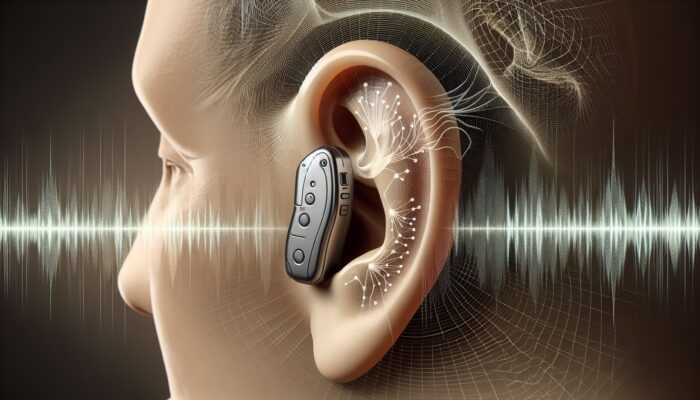
Categories
Health & Wellness Hearing Health

Infections Affecting Your Hearing Health and Wellbeing

Last Updated on 06/02/2026 by Admin

Comprehending the Various Infections That Affect Hearing Ability

Identifying Common Bacterial Infections That Adversely Affect Auditory Health

Bacterial infections, such as otitis media, are prevalent across all demographics, with a notable susceptibility among children. These infections can trigger severe inflammation within the ear, potentially leading to temporary or even permanent hearing loss. The inflammation is often caused by the accumulation of fluid and increased pressure in the middle ear, which can ultimately harm the eardrum or the intricate structures located within the inner ear. Typical symptoms associated with bacterial infections include sharp ear pain, fever, and fluid discharge from the ear. Prompt medical intervention is crucial for effective recovery; healthcare providers often prescribe antibiotics to eliminate the infection and alleviate symptoms, thus preventing further complications and safeguarding hearing.

Immediate medical attention is essential, as neglecting bacterial infections can escalate to more serious conditions, such as chronic ear infections or mastoiditis, a severe infection that impacts the skull behind the ear. In regions where healthcare access is limited, the risk of complications can increase significantly. Therefore, early recognition of symptoms and timely medical intervention can greatly enhance recovery outcomes and help maintain auditory function.

What Are the Consequences of Viral Infections on Hearing Health?

Viral infections, such as mumps, measles, and varicella, can result in various complications concerning auditory health. These infections may provoke inflammation of the auditory nerves, leading to symptoms such as tinnitus or sudden hearing loss. While some individuals may experience natural recovery over time without treatment, others may require medical assistance to restore their hearing fully. For instance, viral labyrinthitis, which affects the inner ear, can cause vertigo and balance issues along with auditory disturbances.

The implications of viral infections on hearing underscore the importance of vaccinations and public health initiatives. For example, extensive vaccination campaigns have significantly reduced the occurrence of specific viral infections in numerous areas, thereby lowering the associated risks of hearing loss. By raising awareness regarding the potential auditory consequences of viral infections, individuals can be encouraged to seek timely medical intervention, which can enhance recovery prospects and support overall auditory health.

Understanding the Influence of Fungal Infections on Hearing Capabilities

Fungal infections, such as otomycosis, can invade the ear canal, leading to blockages and subsequent difficulties in hearing. The growth of fungi can irritate adjacent tissues, resulting in inflammation and discomfort. Timely identification is crucial for effective treatment, which may involve antifungal medications. Key symptoms to be vigilant for include:

  • Itching within the ear canal
  • Ear discharge that may have an unpleasant odour
  • Hearing impairment or a muffled perception of sound
  • Redness and swelling in the ear canal
  • Pain or discomfort in the ear

Recognising these symptoms early allows for swift medical intervention, which can prevent further complications and reduce the risk of irreversible hearing loss. Fungal infections tend to be more common in warm, humid environments, highlighting the importance of environmental awareness in maintaining optimal ear health.

How Do Infections Undermine Hearing Function?

Investigating the Anatomy of the Ear and the Impact of Infections

Grasping the anatomical structure of the ear is crucial when discussing how infections can impair hearing. The ear consists of three primary sections: the outer ear, middle ear, and inner ear. Infections can affect any of these areas, disrupting the normal transmission of sound. For example, when the middle ear becomes inflamed due to an infection, it can swell and fill with fluid, significantly altering the way sound vibrations are conveyed to the brain.

This disruption can lead to varying degrees of auditory loss, contingent on the severity of the infection and the specific areas affected. In severe cases, bacteria may damage the eardrum or inner ear structures, resulting in irreversible hearing impairment. Therefore, recognising the early signs of infection and maintaining ear health can significantly influence recovery and help preserve auditory function.

Can Infections Disseminate Throughout the Body?

Infections often do not remain confined; they can spread from other areas of the body to the auditory system through the bloodstream. This can occur in instances of systemic infections, such as meningitis, which can directly impact hearing by infecting sensitive regions like the cochlea. The cochlea, which is responsible for converting sound vibrations into neural signals, is particularly vulnerable to infections.

Symptoms from these systemic infections can escalate rapidly if not addressed promptly. Patients may experience not only hearing loss but also dizziness, balance difficulties, and additional neurological symptoms. These scenarios highlight the vital importance of immediate medical intervention, as early treatment can prevent further complications and help safeguard hearing health.

Long-Term Implications of Recurrent Infections on Hearing

Repeated infections can result in enduring changes to hearing, potentially leading to permanent structural damage to the auditory system. Chronic conditions can impact both sound perception and balance, with recovery often hinging on the severity of the infection and the body’s response to treatment options. For instance, individuals who undergo frequent ear infections may experience scarring of the eardrum or ossicular chain, which can culminate in permanent hearing impairment.

Being aware of the potential long-term consequences of recurrent infections underscores the necessity for preventive measures and continuous monitoring. Regular check-ups can assist in identifying and managing underlying issues, thereby preserving auditory health over time and enhancing overall quality of life.

The Effect on Balance and the Vestibular System

The inner ear plays a pivotal role in maintaining balance through the vestibular system, which can be severely affected by infections. When the inner ear is compromised, individuals may encounter symptoms such as vertigo and dizziness, in addition to hearing loss. This dual impact can exacerbate auditory damage, as inflammation may lead to additional nerve impairment and further challenges in sound processing.

Prompt intervention is critical; untreated infections can not only exacerbate hearing loss but also result in persistent balance issues, significantly impacting daily life. Comprehensive treatment approaches, including vestibular rehabilitation, may be necessary to address both auditory and balance-related symptoms, assisting individuals in regaining stability and auditory function.

Expert Insights Into the Effects of Infections on Hearing Ability

Investigating Key Mechanisms Behind Infection Impact

At a cellular level, infections disrupt ear function through various mechanisms, including inflammation and immune responses. When pathogens invade the auditory system, the body’s immune response activates, sending white blood cells to the affected area, which can inadvertently cause further damage. This immune response, while essential for combating infections, can lead to increased swelling and fluid accumulation, worsening hearing problems.

Real-world examples illustrate how these immune responses can complicate recovery. For instance, a person suffering from a severe ear infection may initially respond well to treatment, only to experience a resurgence of symptoms due to an overactive immune response. Understanding these mechanisms not only clarifies the science behind infections and hearing loss but also underscores the necessity for personalised treatment strategies that consider individual patient responses.

Effective Preventive Strategies to Safeguard Hearing Health

Preventing infections that can jeopardise hearing begins with maintaining proper ear hygiene. Experts recommend regularly cleaning the outer ear, steering clear of contaminated water, and minimising the risk of upper respiratory infections that can lead to ear issues. It is also essential to avoid environments where the ears may be exposed to potential irritants, such as loud noises and foreign objects.

Proactive measures, including vaccinations for preventable diseases, can significantly reduce the risk of infections that may affect hearing. Individuals should also remain vigilant about monitoring for early signs of ear infections and seeking prompt medical advice when symptoms arise. These strategies facilitate a proactive approach to safeguarding auditory health, resulting in more favourable outcomes should an infection occur.

Exploring Comprehensive Treatment Options for Hearing Loss

When infections result in hearing loss, various treatment options are available. Healthcare professionals may routinely prescribe antibiotics or antifungal medications to combat the infection effectively. In certain cases, surgical intervention may become necessary, particularly if significant fluid accumulation or structural damage within the ear is apparent. Procedures like tympanostomy tubes can help alleviate pressure and prevent future infections.

Real-world examples of successful treatment highlight the importance of timely intervention. For instance, a patient experiencing persistent ear infections may benefit from a comprehensive treatment plan that encompasses both medication and lifestyle adjustments. Knowing when to seek professional help is crucial for optimal outcomes, enabling individuals to regain their auditory capabilities and enhance their overall quality of life.

Recognising the Long-Term Consequences of Untreated Infections

The enduring effects of infections on hearing can be significant, especially if left untreated. Chronic conditions may lead to permanent damage, necessitating ongoing monitoring and management to preserve auditory function. For individuals who have encountered recurrent infections, understanding these long-term implications is vital for sustaining hearing health.

Expert insights advocate for regular follow-ups and hearing assessments to detect potential issues early, allowing for timely interventions. Moreover, establishing a robust care plan can assist individuals in navigating the complexities of long-term auditory health, ultimately enhancing their quality of life.

Dispelling Myths Surrounding Infections and Hearing Loss

Several misconceptions regarding infections and hearing loss require clarification. For example, a prevalent myth is that all forms of hearing loss are hereditary; however, environmental factors, including infections, play a critical role. Expert-backed facts aim to dispel these misconceptions, empowering individuals to make informed health decisions grounded in scientific evidence.

Another widespread myth is the belief that once hearing loss occurs, it cannot be improved. While some cases may indeed result in irreversible damage, many individuals can achieve substantial recovery through early intervention and appropriate treatments. Addressing these myths is essential in promoting awareness and encouraging proactive approaches to hearing health.

What Are the Indicators of Hearing Loss Due to Infections?

Implementing Effective Early Detection Techniques

Research indicates that regular check-ups are crucial for identifying hearing changes linked to infections. Early detection can significantly improve treatment outcomes, facilitating timely interventions that can prevent further deterioration. Actionable steps, such as utilising at-home hearing tests, can assist individuals in identifying issues before they escalate, providing a practical method for monitoring hearing health.

Healthcare providers often recommend specific techniques to assess auditory function, including basic listening tests and evaluating responsiveness to sounds. By incorporating these practices into routine health checks, individuals can take charge of their hearing health, ensuring they remain vigilant regarding any changes that may necessitate professional evaluation.

Recovery and Rehabilitation Strategies for Hearing Loss

Recovering from infection-related hearing loss typically necessitates a multifaceted rehabilitation approach. Evidence-based exercises, such as auditory training, can be critical in restoring hearing function. Furthermore, therapies focused on sound discrimination and speech understanding can significantly enhance recovery outcomes for individuals affected by hearing loss.

  • Auditory training exercises
  • Speech therapy aimed at sound discrimination
  • Hearing aids for sound amplification
  • Assistive listening devices
  • Balance exercises to improve vestibular function

Real-world applications of these rehabilitation strategies demonstrate their effectiveness in assisting individuals in regaining their auditory capabilities. Collaborating with healthcare professionals to tailor rehabilitation plans can optimise recovery, contributing to improved quality of life for those affected.

Assessing the Long-Term Health Implications of Hearing Loss

Studies indicate that untreated infections can lead to chronic conditions that significantly impact long-term hearing health. Allowing infections to go unchecked can result in permanent auditory damage, diminishing quality of life. Experts stress the importance of early intervention, as timely treatment can lead to better auditory outcomes and overall well-being.

Preventive measures, including vaccination and promoting ear hygiene, can help reduce the risk of infections that threaten hearing. By embracing these proactive strategies, individuals can safeguard their auditory health and mitigate potential long-term consequences, ensuring an improved quality of life.

Identifying Common Symptoms and Their Onset

The symptoms of infection-related hearing loss can manifest rapidly and may encompass various issues, including sudden deafness, tinnitus, and dizziness. Audiology research underscores the necessity of recognising these symptoms early, as their onset can vary widely among individuals. Immediate evaluation is critical to preventing complications and enhancing recovery rates.

For instance, sudden deafness may occur within hours or days, underscoring the need for prompt medical action. Understanding the nuances of these symptoms empowers individuals to seek assistance when it matters most, potentially preserving their hearing function and improving recovery outcomes.

Factors Influencing the Severity of Symptoms

Numerous factors can influence the severity of symptoms associated with hearing loss due to infections. The type of infection, a person’s age, and any underlying health conditions can all play essential roles. Research suggests that genetic predispositions can further affect how individuals respond to infections, influencing overall auditory health.

Timely interventions are paramount; studies indicate that early treatment can lead to better symptom management and prevent complications. By understanding these influencing factors, healthcare providers can create personalised management strategies that address each individual’s unique needs, thereby enhancing outcomes and preserving hearing health.

Research-Supported Insights Into the Effects of Infections on Hearing

Ongoing research continues to unravel the complex interplay between infections and hearing health. Understanding the mechanisms through which infections affect auditory function can lead to improved prevention and treatment strategies. For example, studies have shown that effectively managing upper respiratory infections can significantly lower the risk of subsequent ear infections, highlighting the interconnectedness of various health aspects.

Furthermore, research underscores the significance of public health initiatives in reducing infection rates, which can protect hearing health on a broader scale. By focusing on evidence-based practices and promoting awareness, communities can work towards safeguarding auditory health and enhancing the overall quality of life for individuals affected by hearing loss due to infections.

How Can You Safeguard Your Hearing From Infections?

Implementing Daily Hygiene Practices for Ear Health

Maintaining clean ears is imperative for reducing the risk of infections that can jeopardise hearing. Simple daily hygiene practices, such as gently cleaning the outer ear with a cloth and avoiding excessive exposure to moisture, form the first line of defence against bacterial and viral entry. Additionally, individuals should refrain from inserting objects into the ear canal, as this can introduce pathogens and cause injury.

Understanding how environmental factors contribute to ear health is equally important. For instance, wearing earplugs while swimming can help keep water out of the ears, significantly reducing infection risks. By adopting these straightforward yet effective hygiene practices, individuals can maintain their hearing health and minimise the chances of infection.

Why Vaccination Is Crucial for Hearing Protection

Vaccination serves as a vital strategy for lowering infection rates that can affect hearing. By enhancing immunity against common pathogens, vaccines play a significant role in safeguarding auditory health. For instance, vaccines for illnesses such as mumps and measles can prevent infections that have been linked to hearing loss.

Public health campaigns emphasise the importance of vaccination, aiming to raise awareness and increase participation. Ensuring individuals receive their vaccinations not only protects them personally but also contributes to overall community health, helping to reduce the incidence of infections that threaten hearing. Vaccination is a proactive measure that can significantly enhance auditory well-being.

Making Lifestyle Adjustments to Promote Hearing Health

Adopting healthy lifestyle habits can fortify the body’s defences against infections that threaten hearing. A balanced diet rich in vitamins and minerals supports immune function, while stress management techniques can diminish the likelihood of infections. Engaging in regular physical activity has also been shown to improve overall health, making individuals less susceptible to infections.

Moreover, avoiding smoking and excessive alcohol consumption can significantly lower infection risks, leading to enhanced auditory health. By integrating these lifestyle adjustments into daily routines, individuals can build resilience and minimise potential damage to their hearing capabilities, promoting long-term well-being.

Understanding Ongoing Effects on Auditory Health

Addressing Chronic Complications Arising From Infections

Persistent infections can lead to enduring auditory issues, such as reduced sensitivity and chronic hearing loss. These complications often necessitate ongoing management to maintain quality of life and prevent further deterioration. Individuals suffering from chronic ear infections may encounter not only auditory challenges but also complications that affect their overall well-being.

Understanding the potential for chronic complications underscores the importance of early detection and intervention. By collaborating closely with healthcare providers, individuals can create tailored management plans that cater to their unique needs, ensuring they receive the necessary support to navigate the complexities of chronic auditory health challenges.

The Importance of Monitoring and Follow-Up Care

Regular assessments are essential for tracking changes in hearing following infections. Consistent follow-ups enable healthcare providers to identify any emerging issues, ensuring timely interventions are made to address them effectively. This proactive approach can significantly improve outcomes, fostering better auditory health over time.

Additionally, individuals should take an active role in monitoring their hearing health, noting any changes and discussing them with their healthcare provider. By prioritising ongoing care and engagement, patients can empower themselves to preserve their hearing function and enhance their overall quality of life.

Building Resilience Against Infections Affecting Hearing

Strengthening the immune system through healthy habits can help mitigate the impacts of infections on hearing. Adequate sleep, balanced nutrition, and regular exercise are vital components for building overall resilience. These habits not only improve the body’s defences against infections but also assist recovery when issues arise.

Furthermore, mind-body practices such as yoga and meditation can lower stress levels, further supporting immune health. Engaging in these activities fosters a holistic approach to well-being, enabling individuals to navigate potential auditory health challenges with greater resilience and improve their long-term auditory outcomes.

Effective Hearing Rehabilitation Strategies Following Infections

Customised rehabilitation approaches play a pivotal role in restoring hearing capabilities after infections. Techniques such as auditory therapy can assist individuals in enhancing their sound perception, while assistive devices like hearing aids can provide essential support for those experiencing hearing loss. These methods focus on improving speech understanding, which is key for effective communication and emotional adjustment.

Real-world applications of rehabilitation strategies illustrate their effectiveness in aiding individuals post-infection. Collaborating with audiologists and rehabilitation specialists allows patients to develop personalised plans that address their specific needs, promoting sustained auditory health and improved quality of life.

Frequently Asked Questions Regarding Infections and Hearing Loss

What types of infections can adversely affect hearing?

Infections that can impact hearing include bacterial infections like otitis media, viral infections such as mumps and measles, and fungal infections like otomycosis, all of which can cause varying degrees of auditory impairment.

How do infections damage hearing capabilities?

Infections damage hearing by causing inflammation, fluid accumulation, and potential structural damage within the ear, disrupting normal sound transmission and potentially leading to permanent hearing loss.

What are the symptoms associated with infection-related hearing loss?

Symptoms of infection-related hearing loss include sudden deafness, tinnitus, dizziness, and fluid drainage from the ear. Immediate evaluation is essential to prevent complications.

Can hearing loss resulting from infections be treated?

Yes, hearing loss from infections can often be treated with antibiotics, antifungal medications, or surgical interventions, depending on the severity and type of infection.

How can I prevent infections that may affect hearing?

Preventive measures include maintaining ear hygiene, avoiding contaminated water, ensuring vaccinations are up to date, and being vigilant about early signs of infection.

What role do vaccinations play in protecting hearing health?

Vaccinations play a crucial role in reducing the incidence of infections linked to hearing loss, as they boost immunity against diseases like mumps and measles.

Are there lifestyle changes that can support hearing health?

Yes, lifestyle changes such as eating a balanced diet, managing stress, exercising regularly, and avoiding smoking can strengthen your immune system and protect hearing health.

What long-term effects can result from untreated ear infections?

Untreated ear infections can lead to chronic hearing loss, persistent balance issues, and, in some cases, permanent damage to the structures of the inner ear.

How often should I have my hearing checked?

It is recommended to have your hearing checked regularly, especially if you have a history of ear infections or experience changes in your hearing, to ensure any issues are addressed promptly.

What advantages does hearing rehabilitation offer?

Hearing rehabilitation provides benefits such as improved sound perception, enhanced speech understanding, and better communication skills, which can significantly improve the quality of life for individuals recovering from hearing loss due to infections.

Join the excitement on X!

The post Infections and Their Impact on Your Hearing Health appeared first on The Microsuction Ear Wax Removal Network.

The post Infections and Their Impact on Your Hearing Health appeared first on Healthcare Marketing Service.

Categories
Health & Wellness Hearing Issues

Infections Impacting Your Hearing Health

Last Updated on 06/02/2026 by Admin

Comprehensive Overview of Infections That Detrimentally Affect Hearing Function

In-Depth Analysis of Common Bacterial Infections Impairing Auditory Health

Bacterial infections, such as otitis media, are prevalent across all demographics, with a marked vulnerability observed in children. These infections can provoke severe inflammation within the ear, potentially resulting in both temporary and permanent hearing loss. This inflammation is typically instigated by fluid accumulation and heightened pressure in the middle ear, which can ultimately compromise the eardrum and the intricate structures of the inner ear. Common symptoms associated with bacterial infections include sharp ear pain, elevated fever, and unusual fluid drainage from the ear. Swift and effective intervention is essential for optimal recovery; healthcare providers frequently prescribe antibiotics to eradicate the infection and alleviate symptoms, thereby preventing further complications and safeguarding hearing abilities.

Immediate medical attention is paramount, as neglecting bacterial infections can escalate into more severe conditions, such as chronic ear infections or mastoiditis, a serious infection that affects the skull area behind the ear. In regions where access to healthcare is limited, the risk of complications can increase significantly. Consequently, early identification of symptoms and timely medical intervention can dramatically improve recovery outcomes and help preserve hearing functionality.

What Are the Consequences of Viral Infections on Hearing Function?

Viral infections, including mumps, measles, and varicella, can result in a variety of auditory complications. These infections may induce inflammation of the auditory nerves, which can manifest as symptoms such as tinnitus or sudden hearing loss. While some individuals may experience a natural recovery over time without intervention, others may require medical assistance to fully restore their hearing capabilities. For instance, viral labyrinthitis, affecting the inner ear, can cause vertigo and balance disturbances in addition to auditory issues.

The implications of viral infections on hearing underscore the importance of vaccinations and public health initiatives. Widespread vaccination efforts have substantially reduced the prevalence of certain viral infections in many areas, thereby minimising the associated risks of hearing impairment. By increasing awareness of the potential auditory ramifications of viral infections, individuals can be encouraged to seek prompt medical attention, which can enhance recovery prospects and contribute to overall auditory health.

Understanding the Consequences of Fungal Infections on Hearing Functionality

Fungal infections, including otomycosis, can invade the ear canal, leading to blockages and subsequent challenges in hearing. The proliferation of fungi can irritate adjacent tissues, resulting in inflammation and discomfort. Timely identification is crucial for effective treatment, which may involve antifungal medications. Key symptoms to monitor include:

  • Itching within the ear canal
  • Ear discharge that may have a foul odour
  • Hearing impairment or muffled sound perception
  • Redness and swelling in the ear canal
  • Pain or discomfort in the ear

Recognising these symptoms early facilitates prompt medical attention, which can avert further complications and diminish the risk of permanent hearing loss. Fungal infections tend to be more prevalent in warm, humid conditions, highlighting the significance of environmental awareness in preserving ear health.

How Do Infections Undermine Hearing Functionality?

Investigating the Anatomy of the Ear and the Impact of Infections

Grasping the anatomical structure of the ear is essential when examining how infections can adversely affect hearing. The ear comprises three principal sections: the outer ear, the middle ear, and the inner ear. Infections can target any of these areas, disrupting the normal transmission of sound. For instance, when the middle ear becomes inflamed due to an infection, it can swell and fill with fluid, significantly altering how sound vibrations are relayed to the brain.

This disruption can lead to varying degrees of auditory loss, contingent upon the severity of the infection and the particular areas affected. In severe instances, bacterial infections can inflict damage on the eardrum or inner ear structures, culminating in irreversible hearing impairment. Therefore, recognising the early signs of infection and maintaining ear health can significantly impact recovery and help preserve auditory function.

Can Infections Disseminate Throughout the Body?

Infections frequently do not remain confined; they can spread from other regions of the body to the auditory system via the bloodstream. This can occur in cases of systemic infections, such as meningitis, which can directly jeopardise hearing by infecting sensitive areas like the cochlea. The cochlea, responsible for converting sound vibrations into neural signals, is particularly vulnerable to infections.

Symptoms resulting from these systemic infections can escalate rapidly if not addressed without delay. Patients may experience not only hearing loss but also dizziness, balance issues, and additional neurological symptoms. These scenarios underscore the critical importance of immediate medical intervention, as prompt treatment can prevent further complications and help maintain hearing health.

Long-Term Repercussions of Recurrent Infections on Hearing

Repeated infections can lead to enduring changes in hearing, potentially resulting in permanent structural damage to the auditory system. Chronic conditions can influence both sound perception and balance, with recovery often reliant on the severity of the infection and the body’s response to treatment options. For example, individuals who undergo frequent ear infections may develop scarring of the eardrum or ossicular chain, which can culminate in permanent hearing impairment.

Recognising the potential long-term consequences of recurrent infections emphasises the necessity for preventive measures and ongoing monitoring. Regular check-ups can assist in identifying and managing underlying issues, thereby preserving auditory health over time and enhancing overall quality of life.

Effects on Balance and the Vestibular System

The inner ear plays a pivotal role in maintaining balance through the vestibular system, which can be severely impacted by infections. When the inner ear is compromised, individuals may experience symptoms such as vertigo and dizziness, in addition to hearing loss. This dual impact can exacerbate auditory damage, as inflammation may lead to further nerve impairment and additional difficulties in sound processing.

Prompt intervention is crucial; untreated infections can not only worsen hearing loss but also lead to persistent balance issues, significantly affecting daily life. Comprehensive treatment approaches, including vestibular rehabilitation, may be necessary to address both auditory and balance-related symptoms, helping individuals regain stability and auditory function.

Expert Insights on the Impact of Infections on Hearing

Investigating the Key Mechanisms of Infection Impact on Hearing

At a cellular level, infections disrupt ear function through various mechanisms, including inflammation and immune responses. When pathogens invade the auditory system, the body’s immune system responds by dispatching white blood cells to the affected area, which can unintentionally cause additional harm. This immune response, while vital for combating infections, can lead to increased swelling and fluid accumulation, worsening hearing issues.

Real-world examples illustrate how these immune responses can complicate recovery. For instance, a patient suffering from a severe ear infection may initially respond well to treatment, only to experience a resurgence of symptoms due to an overactive immune response. Understanding these mechanisms clarifies the science behind infections and hearing loss, emphasising the need for personalised treatment strategies that account for individual patient responses.

Proactive Strategies to Safeguard Hearing Health

Preventing infections that can jeopardise hearing begins with maintaining proper ear hygiene. Experts advocate for regularly cleaning the outer ear, avoiding exposure to contaminated water, and minimising the risk of upper respiratory infections that can lead to ear issues. It is also crucial to avoid situations where the ears may be exposed to potential irritants, such as loud noises and foreign objects.

Proactive measures, including vaccinations for preventable diseases, can significantly lower the risk of infections that may affect hearing. Individuals should also remain vigilant about monitoring for early signs of ear infections and seeking prompt medical advice when symptoms arise. These strategies facilitate a proactive approach to safeguarding auditory health, resulting in more favourable outcomes should an infection occur.

Exploring Comprehensive Treatment Options for Hearing Loss

When infections lead to hearing loss, a variety of treatment options are available. Healthcare professionals may commonly prescribe antibiotics or antifungal medications to effectively combat the infection. In certain cases, surgical intervention may be necessary, particularly if there is significant fluid accumulation or structural damage within the ear. Procedures such as tympanostomy tubes can help relieve pressure and prevent future infections.

Real-world examples of successful treatment highlight the importance of timely intervention. A patient experiencing persistent ear infections may benefit from a comprehensive treatment plan that encompasses both medication and lifestyle modifications. Understanding when to seek professional help is crucial for optimal outcomes, empowering individuals to regain their auditory capabilities and enhance their overall quality of life.

Recognising the Long-Term Consequences of Untreated Infections

The enduring effects of infections on hearing can be significant, particularly if left untreated. Chronic conditions may result in permanent damage, necessitating ongoing monitoring and management to preserve auditory function. For those who have experienced recurrent infections, understanding these long-term consequences is vital for maintaining hearing health.

Expert insights suggest that regular follow-ups and hearing assessments can aid in detecting potential issues early, allowing for prompt interventions. Moreover, establishing a robust care plan can support individuals in navigating the complexities of long-term auditory health, ultimately enhancing their quality of life.

Dispelling Misconceptions About Infections and Hearing Loss

Several myths surrounding infections and hearing loss warrant clarification. For instance, a prevalent misconception is that all forms of hearing loss are genetic; however, environmental factors, including infections, significantly contribute to this issue. Expert-backed facts aim to dispel these misconceptions, empowering individuals to make informed health decisions grounded in scientific evidence.

Another common myth is the belief that once hearing loss occurs, it cannot be improved. While some cases may indeed result in irreversible damage, many individuals can achieve substantial recovery through early intervention and appropriate treatments. Addressing these myths is crucial in promoting awareness and encouraging proactive approaches to hearing health.

What Symptoms Indicate Hearing Loss Due to Infections?

Effective Techniques for Early Detection of Hearing Loss Symptoms

Research highlights that regular check-ups are vital for identifying hearing changes linked to infections. Early detection can greatly enhance treatment outcomes, facilitating timely interventions that can prevent further deterioration. Actionable steps, such as utilising at-home hearing tests, can assist individuals in recognising issues before they escalate, providing a practical method for monitoring hearing health.

Healthcare providers often recommend specific techniques to assess auditory function, including basic listening tests and evaluating responsiveness to sounds. By incorporating these practices into routine health checks, individuals can take charge of their hearing health, ensuring they remain vigilant regarding any changes that may necessitate professional evaluation.

Recovery and Rehabilitation Approaches for Hearing Loss

Recovering from infection-related hearing loss typically necessitates a multifaceted rehabilitation approach. Evidence-based exercises, such as auditory training, can be instrumental in restoring hearing function. Furthermore, therapies focused on sound discrimination and speech understanding can significantly enhance recovery outcomes for individuals affected by hearing loss.

  • Auditory training exercises
  • Speech therapy aimed at sound discrimination
  • Hearing aids for sound amplification
  • Assistive listening devices
  • Balance exercises to improve vestibular function

Real-world applications of these rehabilitation strategies demonstrate their effectiveness in assisting individuals in regaining their auditory capabilities. Collaborating with healthcare professionals to tailor rehabilitation plans can optimise recovery, contributing to improved quality of life for those affected.

Assessing Long-Term Health Implications of Hearing Loss

Studies indicate that untreated infections can lead to chronic conditions that significantly impact long-term hearing health. Allowing infections to go unchecked can result in permanent auditory damage, diminishing quality of life. Experts underscore the importance of early intervention, as timely treatment can yield better auditory outcomes and overall well-being.

Preventive measures, including vaccination and promoting ear hygiene, can help mitigate the risk of infections that threaten hearing. By embracing these proactive strategies, individuals can safeguard their auditory health and reduce potential long-term consequences, ensuring an enhanced quality of life.

Identifying Common Symptoms and Their Onset Related to Hearing Loss

The symptoms of infection-related hearing loss can manifest quickly and may encompass a range of issues, including sudden deafness, tinnitus, and dizziness. Audiology research emphasises the necessity of recognising these symptoms early, as their onset can vary widely among individuals. Immediate evaluation is critical to preventing complications and enhancing recovery rates.

For example, sudden deafness may occur within hours or days, underscoring the urgency of prompt medical action. Understanding the nuances of these symptoms empowers individuals to seek assistance when it matters most, potentially preserving their hearing function and improving recovery outcomes.

Factors Influencing the Severity of Symptoms Related to Hearing Loss

Numerous factors can influence the severity of symptoms associated with hearing loss due to infections. The type of infection, a person’s age, and any underlying health conditions can all play crucial roles. Research indicates that genetic predispositions can further affect how individuals respond to infections, influencing overall auditory health.

Timely interventions are of utmost importance; studies suggest that early treatment can lead to better symptom management and prevent complications. By understanding these influencing factors, healthcare providers can develop personalised management strategies that address each individual’s unique needs, thereby enhancing outcomes and preserving hearing health.

Research-Driven Insights Into the Effects of Infections on Hearing

Ongoing research continues to elucidate the complex interplay between infections and hearing health. Understanding the mechanisms through which infections affect auditory function can lead to improved prevention and treatment strategies. For instance, studies have demonstrated that effectively managing upper respiratory infections can significantly reduce the risk of subsequent ear infections, underscoring the interconnectedness of various health aspects.

Moreover, research underscores the importance of public health initiatives in diminishing infection rates, which can protect hearing health on a broader scale. By focusing on evidence-based practices and promoting awareness, communities can work toward safeguarding auditory health and enhancing the overall quality of life for individuals affected by hearing loss resulting from infections.

How Can You Safeguard Your Hearing from Infections?

Implementing Daily Hygiene Practices for Ear Health

Maintaining clean ears is essential for minimising the risk of infections that can compromise hearing. Simple daily hygiene practices, such as gently cleaning the outer ear with a cloth and avoiding excessive moisture exposure, constitute the first line of defence against bacterial and viral entry. Additionally, individuals should refrain from inserting objects into the ear canal, as this can introduce pathogens and lead to injury.

Understanding how environmental factors contribute to ear health is equally vital. For instance, wearing earplugs while swimming can help keep water out of the ears, significantly reducing infection risks. By adopting these straightforward yet effective hygiene practices, individuals can uphold their hearing health and minimise the likelihood of infection.

Why Is Vaccination Crucial for Protecting Hearing?

Vaccination represents a pivotal strategy for decreasing infection rates that can impact hearing. By bolstering immunity against prevalent pathogens, vaccines play an essential role in safeguarding auditory health. For instance, vaccines for illnesses such as mumps and measles can prevent infections linked to hearing loss.

Public health campaigns emphasise the significance of vaccination, aiming to raise awareness and enhance participation. Ensuring individuals receive their vaccinations not only affords personal protection but also contributes to overall community health, thereby reducing the incidence of infections that threaten hearing. Vaccination is a proactive strategy that can significantly enhance auditory well-being.

Making Lifestyle Adjustments to Bolster Hearing Health

Adopting healthy lifestyle habits can fortify the body’s defences against infections that threaten hearing. A well-balanced diet rich in vitamins and minerals supports immune function, while stress management techniques can diminish the likelihood of infections. Engaging in regular physical activity has also been shown to enhance overall health, rendering individuals less susceptible to infections.

Moreover, avoiding smoking and excessive alcohol consumption can markedly lower infection risks, leading to improved auditory health. By integrating these lifestyle adjustments into daily routines, individuals can build resilience and mitigate potential damage to their hearing capabilities, promoting long-term well-being.

Understanding Ongoing Effects on Auditory Health

Addressing Chronic Complications Arising from Infections

Persistent infections can culminate in lasting auditory issues, such as diminished sensitivity and chronic hearing loss. These complications frequently necessitate ongoing management to maintain quality of life and prevent further deterioration. Individuals grappling with chronic ear infections may face not only auditory challenges but also complications that impact their overall well-being.

Recognising the potential for chronic complications underscores the importance of early detection and intervention. By working closely with healthcare providers, individuals can develop tailored management plans that cater to their unique needs, ensuring they receive the necessary support to navigate the complexities of chronic auditory health challenges.

The Importance of Monitoring and Follow-Up Care for Hearing

Regular assessments are vital for tracking changes in hearing following infections. Consistent follow-ups enable healthcare providers to identify any emerging issues, ensuring that timely interventions are made to address them effectively. This proactive approach can significantly improve outcomes, fostering better auditory health over time.

Additionally, individuals should take an active role in monitoring their hearing health, noting any changes and discussing them with their healthcare provider. By prioritising ongoing care and engagement, patients can empower themselves to preserve their hearing function and enhance their overall quality of life.

Building Resilience Against Infections Impacting Hearing

Strengthening the immune system through healthy habits can diminish the impacts of infections on hearing. Adequate sleep, balanced nutrition, and regular exercise are crucial components for building overall resilience. These practices not only bolster the body’s defences against infections but also facilitate recovery when issues arise.

Furthermore, mind-body practices such as yoga and meditation can effectively lower stress levels, further supporting immune health. Engaging in these activities fosters a holistic approach to well-being, enabling individuals to navigate potential auditory health challenges with greater resilience and improve their long-term auditory outcomes.

Effective Strategies for Hearing Rehabilitation

Customised rehabilitation methods play a crucial role in restoring hearing capabilities following infections. Techniques such as auditory therapy can assist individuals in enhancing their sound perception, while assistive devices like hearing aids can provide essential support for those experiencing hearing loss. These approaches concentrate on improving speech understanding, which is vital for effective communication and emotional adjustment.

Real-world applications of rehabilitation strategies highlight their effectiveness in aiding individuals post-infection. Collaborating with audiologists and rehabilitation specialists allows patients to develop personalised plans that address their specific needs, promoting sustained auditory health and improved quality of life.

Frequently Asked Questions Regarding Infections and Hearing Loss

What types of infections can negatively impact hearing?

Infections that can adversely affect hearing include bacterial infections like otitis media, viral infections such as mumps and measles, and fungal infections like otomycosis, all of which can cause varying degrees of auditory impairment.

How do infections damage hearing function?

Infections damage hearing by inducing inflammation, fluid accumulation, and potential structural damage within the ear, disrupting normal sound transmission and potentially leading to permanent hearing loss.

What symptoms signify hearing loss associated with infections?

Symptoms of infection-related hearing loss include sudden deafness, tinnitus, dizziness, and fluid discharge from the ear. Immediate evaluation is essential to prevent complications.

Can hearing loss resulting from infections be effectively treated?

Yes, hearing loss due to infections can often be treated with antibiotics, antifungal medications, or surgical interventions, depending on the severity and type of infection.

How can I effectively prevent infections that may affect hearing?

Preventive measures include maintaining proper ear hygiene, avoiding contaminated water, ensuring vaccinations are current, and remaining vigilant about early signs of infection.

What is the significance of vaccinations in protecting hearing health?

Vaccinations play a crucial role in diminishing the incidence of infections linked to hearing loss, as they enhance immunity against diseases such as mumps and measles.

Are there lifestyle changes that can bolster hearing health?

Yes, lifestyle changes such as consuming a balanced diet, managing stress, exercising regularly, and avoiding smoking can strengthen your immune system and protect hearing health.

What long-term effects can arise from untreated ear infections?

Untreated ear infections can lead to chronic hearing loss, persistent balance issues, and, in some cases, permanent damage to the structures of the inner ear.

How frequently should I have my hearing assessed?

It is advisable to have your hearing checked regularly, especially if you have a history of ear infections or experience changes in your hearing, to ensure any issues are addressed promptly.

What advantages does hearing rehabilitation provide?

Hearing rehabilitation offers benefits such as enhanced sound perception, improved speech understanding, and better communication skills, which can significantly elevate the quality of life for individuals recovering from hearing loss due to infections.

Join the excitement on X!

The post Infections and Their Impact on Your Hearing Health appeared first on The Microsuction Ear Wax Removal Network.

Categories
Health & Wellness Hearing Aids

Hearing Aids for Music Lovers: Top Picks and Recommendations

Last Updated on 05/02/2026 by Admin

Uncover the Essential Features Defining Ideal Hearing Aids for Music Lovers

What Factors Contribute to Outstanding Sound Quality in Hearing Aids?

The hallmark of premium hearing aids for music aficionados lies in their capability to provide superb sound quality. Innovative audio processing technology guarantees that every musical note resonates with exceptional clarity, transforming the auditory experience into a vibrant and thoroughly enjoyable one. Music enthusiasts significantly benefit from advanced digital signal processing features, which effectively reduce distortion while enhancing the richness of melodies. This state-of-the-art technology allows for a genuine appreciation of music, enabling users to experience it just as the artists intended.

Contemporary hearing aids are furnished with advanced algorithms designed to analyse and enhance audio signals. This cutting-edge technology empowers users to enjoy crisp and clear musical notes across a multitude of genres, whether they are enchanted by the delicate strings of a symphony or the resonating bass of modern pop. Additionally, these devices can dynamically adapt their settings to suit various musical environments, creating a customised auditory journey that maximises enjoyment for every listener.

What Important Considerations Should You Have Regarding Battery Life in Hearing Aids?

For music lovers, extended battery life is a crucial factor when choosing hearing aids, particularly for those who relish lengthy listening sessions. The demands of enjoying music—whether at concerts, in the comfort of their living rooms, or during commutes—necessitate devices that can support prolonged usage without interruptions. Users can have peace of mind knowing that their hearing aids will operate reliably throughout the day, facilitating an uninterrupted musical journey.

Recent advancements in battery technology have led to remarkable enhancements in longevity, with certain models featuring rechargeable capabilities that remove the inconvenience of frequent battery replacements. This innovation not only improves user convenience but also promotes eco-friendliness, significantly reducing waste while users indulge in their favourite melodies.

How Do Modern Hearing Aids Connect with Current Technology?

Seamless connectivity is imperative for music enthusiasts, and a significant number of the finest hearing aids for music lovers now come equipped with cutting-edge Bluetooth technology. This functionality enables users to effortlessly link their hearing aids to a plethora of devices, enhancing both accessibility and convenience. Whether streaming music from a smartphone, tablet, or computer, users can enjoy a richer sound experience free from cumbersome wires and connections.

Key compatibility features include:

  • Bluetooth connectivity with smartphones and tablets
  • Integration with music streaming platforms
  • Direct audio input from devices like televisions
  • User-friendly control applications for personalised settings
  • Multi-device pairing capabilities for enhanced usability

This level of technological integration simplifies the transition between various audio sources, ensuring that music is always readily available at the listener’s command.

How Does Advanced Noise Cancellation Transform Listening Experiences?

The emergence of advanced noise cancellation technology represents a game-changing feature for music lovers using hearing aids. This innovative capability diminishes unwanted background sounds, allowing users to focus intently on the music with remarkable clarity. Imagine relishing your favourite tracks at a bustling concert or within a lively café without distractions from surrounding noise—this is the extraordinary benefit of modern hearing aids designed with superior noise suppression.

These devices continuously examine the acoustic environment in real time, adjusting their settings to filter out distractions while amplifying the favoured audio frequencies. This technology is especially vital for individuals experiencing hearing loss, as it allows them to fully appreciate audio content in diverse settings, ensuring that music, conversations, and ambient sounds blend harmoniously for a richer experience.

Gain Invaluable Insights into Choosing the Best Hearing Aids for Music Lovers

What Are the Cutting-Edge Technological Innovations Enhancing Music Clarity?

The hearing aid industry has seen remarkable technological advancements that substantially enhance music clarity. Innovations such as adaptive sound processing and improved frequency adjustments empower users to engage with music more vividly than ever before. These developments enable hearing aids to recognise different types of audio sources and adjust their settings accordingly, ensuring that every note is reproduced with accuracy and fidelity.

Furthermore, improvements in <a href="https://healthcaremarketingservice.com/analog-vs-digital-hearing-aids-key-differences-explained/">digital signal processing</a> facilitate the analysis of sound environments, allowing devices to adapt dynamically. Users will find that these features significantly elevate their overall listening experiences, making it effortless to enjoy intricate musical compositions or high-energy tracks without any distortion.

How Can Customization Tailor Hearing Aids to Your Unique Preferences?

Customisation is imperative for adapting hearing aids to meet individual musical preferences. Users can take proactive measures by collaborating with audiologists to finely tune sound profiles according to their distinct tastes. Utilising specialised software allows hearing aids to be precisely adjusted to amplify specific sounds, frequencies, or musical styles, resulting in a more enriching listening experience.

Many contemporary hearing aids provide intuitive applications that empower users to modify their settings on-the-go, ensuring adaptability to different musical genres and environments, whether it’s enjoying classical music in a tranquil setting or vibing to lively tracks at an energetic gathering.

What Should You Consider Regarding Performance in Various Music Settings?

Understanding how hearing aids operate across different music environments is crucial for users. For instance, the acoustics and crowd noise at a concert can present challenges, yet high-quality hearing aids thrive in such situations. They automatically adjust to enhance the music while suppressing background noise, enabling users to immerse themselves fully in the performance.

Experts recommend testing hearing aids in assorted settings—such as live concerts, intimate gatherings, or while enjoying recorded music at home—to determine which models best accommodate personal preferences. By sharing insights on specific scenarios, users can achieve optimal results and savour music across various environments.

How Do Hearing Aids Enhance the Musical Experience for Users?

What Role Does Noise Reduction Play in Improving Music Enjoyment?

Noise reduction is a pivotal aspect of enhancing the music experience for hearing aid users. By effectively minimising background interference, advanced noise cancellation features enable individuals to concentrate entirely on pure sounds. This capability becomes especially vital during live concerts, where ambient noise can detract from the overall musical enjoyment.

When background noise is efficiently suppressed, users can relish the subtleties of live performances or recordings, making each listening experience profoundly immersive. This technology empowers music lovers to establish a deeper connection with their favourite artists without the distraction of surrounding sounds, ultimately nurturing a more profound emotional bond with the music.

How Does Enhanced Frequency Response Improve Musical Listening?

Enhancing frequency response constitutes another essential aspect of elevating the music listening experience. Hearing aids equipped with this capability can amplify critical musical ranges, delivering a richer sound without overwhelming users. This feature proves invaluable for music lovers who cherish subtle details in sound, from the high notes of a violin to the low frequencies of a bass guitar.

The advantages of enhanced frequency response include:

  • Improved clarity in high-frequency sounds
  • Richer bass tones for a more immersive sound
  • Better balance across a variety of musical styles
  • Reduced listening fatigue during prolonged sessions

These adjustments enable users to enjoy their music more comfortably, transforming long listening sessions into a pleasurable experience.

How to Achieve the Perfect Balance Between Volume and Clarity?

Achieving the ideal balance between volume and clarity is essential for music lovers using hearing aids. Advanced mechanisms ensure that distortion remains minimised even at higher volumes, allowing users to indulge in their favourite tracks without compromising quality. This feature is critical for maintaining comfort during extended listening periods, where excessive volume can lead to fatigue and discomfort.

By employing sophisticated algorithms that regulate sound output, hearing aids can prevent distortion, thereby preserving the authenticity of the music. This meticulous attention to detail guarantees that music enthusiasts can revel in their favourite tunes without concerns about sound degradation.

Research-Backed Benefits of the Best Hearing Aids for Music Lovers

How Can You Effectively Assess User Reviews?

Evaluating user reviews is a vital step in identifying reliable hearing aid models that excel in music playback. By carefully analysing feedback from fellow users, music enthusiasts can gain invaluable insights into real experiences, guiding them to make informed decisions based on tangible outcomes.

Pay attention to specific mentions of sound quality, battery life, and comfort within user reviews, as these serve as crucial indicators of a model’s performance. Furthermore, consider overall satisfaction ratings and how the hearing aids perform in various musical environments, as these factors will significantly influence the listening experience.

What Key Factors Should You Consider When Selecting Hearing Aid Models?

Several critical factors should be taken into account when choosing hearing aids suitable for music. Durability and user-friendliness are paramount, as these elements enhance usability during musical activities. Users should seek devices that can withstand varying environments, such as outdoor concerts or high-energy events, while remaining comfortable for prolonged wear.

Another essential aspect is the adaptability of the hearing aids. Models that offer customisable settings tailored for different music genres can significantly elevate the listening experience. This practical advice assists users in selecting devices that effectively meet their musical needs.

Why Is Comfort a Crucial Consideration in Hearing Aid Design?

Comfort plays an essential role in the design of hearing aids, particularly for users who attend music events or engage in long listening sessions. Ergonomic features ensure that hearing aids fit securely and snugly, enhancing overall satisfaction and usability. A well-fitted device not only delivers superior sound quality but also prevents discomfort, allowing users to enjoy music without distractions.

Moreover, comfortable designs are vital for individuals who wear hearing aids throughout the day, as they enhance long-term usability. When users feel confident in their devices, they are more likely to engage fully in musical experiences, fostering a greater appreciation for sound.

Which Hearing Aids Come Highly Recommended for Music Enthusiasts?

Comparing Popular Hearing Aid Models to Identify the Best Fit

How Do Audio Processing Speeds Differ Among Hearing Aid Models?

Audio processing speed is a critical factor that significantly influences the overall musical experience provided by hearing aids. Faster processing capabilities enable better synchronisation with dynamic soundscapes, allowing users to appreciate intricate musical arrangements without delays or lags. For example, models that excel in this domain can effectively manage rapid transitions between notes, ensuring that every beat is captured accurately.

Brands that prioritise advanced processing speeds often utilise cutting-edge technology, making them ideal choices for music lovers seeking enriched listening experiences. Noteworthy examples of models recognised for their superior audio processing include those equipped with high-speed digital signal processing chips, which facilitate seamless audio delivery.

What Variations Exist in Price and Value for Hearing Aids?

Price and value are significant considerations for anyone seeking hearing aids focused on music quality. Fortunately, the market offers a diverse array of cost-effective options that do not compromise on audio performance. Users can discover high-quality hearing aids at various price points, ensuring that accessibility is available for all music enthusiasts.

When assessing value, it’s crucial to evaluate features such as audio clarity, battery life, and connectivity options. Models that combine these attributes while remaining budget-friendly empower users to fully enjoy their musical journeys without overspending.

Is Waterproofing an Important Feature for Music Lovers?

Waterproofing can be a vital attribute for hearing aids, particularly for music lovers who engage in outdoor activities or attend events in fluctuating weather conditions. Having a water-resistant design ensures that the devices can withstand moisture, protecting them from potential damage while maintaining performance integrity.

Additionally, waterproof models are beneficial for those who enjoy music during workouts or outdoor excursions, providing reassurance that they can enjoy their favourite tracks without worry. Opting for hearing aids with waterproof features can enhance the overall music experience, enabling users to remain active and engaged.

What Characteristics Render Some Hearing Aids Ideal for Music Listening?

What Advantages Do Wireless Hearing Aid Options Provide?

Wireless hearing aids are rapidly gaining popularity, particularly among music lovers. The benefits of cord-free designs facilitate seamless music streaming from various devices, reducing tangles and enhancing mobility during performances. Users can effortlessly connect their hearing aids to smartphones or other audio sources, creating a more enjoyable listening experience without the hassle of wires.

Furthermore, wireless hearing aids typically deliver superior sound quality and stability, ensuring that users can experience music without interruptions. This combination of convenience and performance renders them a preferred choice for those seeking to elevate their auditory experiences.

How Do Multiple Listening Modes Enhance Musical Experiences?

Multiple listening modes significantly impact how hearing aids cater to a variety of musical preferences. These versatile settings adapt to different music genres, allowing users to personalise their experiences based on their tastes. For instance, modes may prioritise clarity for classical music while enhancing bass for pop or rock genres, ensuring an optimal sound experience regardless of the style.

By utilising these settings, users can enjoy a tailored listening experience that aligns with their musical selections, amplifying overall enjoyment and connection to the music. This adaptability is a key feature that differentiates the best hearing aids for music enthusiasts.

How Can Users Ensure Longevity of Their Hearing Aids’ Performance?

To maintain optimal performance in hearing aids, regular maintenance is crucial. Users should be proactive about caring for their devices, as proper upkeep can significantly extend their lifespan and efficacy for music listening. Implementing a few straightforward strategies can help sustain peak functionality over time.

  • Regularly clean hearing aids to prevent the buildup of wax or debris
  • Store devices in a cool, dry place when not in use
  • Replace batteries as needed to ensure a consistent power supply
  • Schedule regular check-ups with an audiologist for professional maintenance

By following these simple maintenance strategies, users can keep their hearing aids functioning at their best, ensuring a consistently enjoyable music experience.

Essential Tips for Optimising Hearing Aids with Music

How to Adjust Your Settings for the Optimal Listening Experience?

To achieve the ultimate listening experience with hearing aids, users should dedicate time to adjusting their settings according to personal music preferences. Fine-tuning various aspects such as volume, frequency response, and noise cancellation can significantly enhance enjoyment while reducing listening fatigue.

Starting with a default setting, users can explore adjustments in different environments and with various music styles. Keeping a record of preferences may assist in tracking changes and identifying what works best in specific contexts, ultimately resulting in a more satisfying listening experience tailored to individual tastes.

How to Incorporate Hearing Aids with Music Apps for Enhanced Experience?

Integrating hearing aids with music applications can create a cohesive listening setup that enhances accessibility and engagement. Many modern hearing aids are compatible with popular streaming services, enabling users to enjoy their favourite music directly through their devices. This integration simplifies the listening process, making it easy to switch between playlists or genres while on the move.

Moreover, using dedicated apps allows users to control their hearing aids directly from their smartphones, offering seamless interaction with audio content. This connectivity enhances the overall music experience, empowering users to explore new sounds and remain connected to their favourite tracks.

What Common Usage Errors Should Be Avoided for Optimal Enjoyment?

Avoiding common usage errors is essential for maximising the benefits of hearing aids while enjoying music. Issues such as improper fitting can significantly impact sound quality and comfort. Ensuring a proper fit not only enhances the audio experience but also reduces the likelihood of discomfort or feedback.

Additionally, users should be mindful of volume levels. Listening at excessively high volumes can lead to distortion and potential long-term damage. By being aware of these pitfalls and implementing best practices, users can relish music to its fullest without compromising their hearing health.

Long-Term Considerations for Hearing Aid Users to Enhance Their Experience

What Future Upgrades Can Users Anticipate?

As technology continues to advance, users can look forward to future upgrades in hearing aids that will further enhance their music experiences. Innovations such as improved artificial intelligence capabilities and more sophisticated audio processing features are likely to emerge. These advancements will empower devices to analyse sound environments more effectively and adapt to user preferences in real-time.

Moreover, developments in battery technology are expected to yield longer-lasting power, reducing the need for frequent recharges and making music listening more convenient. Staying informed about these trends will enable users to make optimal choices for their auditory needs.

What Warranty and Support Options Are Available for Hearing Aids?

Having robust warranty and support options is essential for maintaining the functionality of hearing aids over the years. Reliable after-sales service ensures that users can address any issues that arise, preserving their music enjoyment without interruptions. Many manufacturers offer comprehensive warranties that cover defects and provide support for repairs or replacements.

Understanding the terms of warranty coverage and the availability of customer support can offer users peace of mind as they embark on their musical journeys. Investing in hearing aids backed by solid support options guarantees a worry-free experience for music lovers.

How to Implement Sustainable Practices in Hearing Aid Use?

Sustainable practices are vital in device use, contributing to longer product life and improved music enjoyment. Users can adopt eco-friendly habits, such as responsibly disposing of batteries and recycling old devices, to minimise their environmental impact.

Opting for rechargeable hearing aids also supports sustainability, reducing waste and encouraging environmentally conscious choices. By integrating these practices into their routines, users can enhance their listening experiences while contributing to a healthier planet.

How to Adapt Hearing Aids to Changing Lifestyles Over Time?

As lifestyles evolve, it is crucial for hearing aid users to adapt their devices to meet their changing needs. This may involve software updates that enhance audio processing or professional fittings that guarantee optimal sound quality. Regular consultations with audiologists can assist users in evaluating their current needs and making necessary adjustments.

Remaining proactive about maintenance and updates ensures that users can sustain high-quality music enjoyment over the years. By embracing adaptability, users can seamlessly transition with their hearing aids, guaranteeing that their auditory experiences remain fulfilling regardless of life changes.

What Financial Planning Should Be Done for Ongoing Hearing Aid Use?

Effective financial planning for ongoing hearing aid use is essential for managing expenses related to batteries, repairs, and upgrades. Users should consider setting aside a budget that accounts for these costs, ensuring that they can sustain their music experiences without interruption.

Additionally, exploring potential tax benefits for medical devices or possible insurance coverage can provide financial relief. By strategically planning for ongoing costs, users can confidently enjoy their favourite music, knowing they have the resources to maintain their hearing aids effectively.

Frequently Asked Questions About Hearing Aids for Music Lovers

What are the best hearing aids for music lovers?

The leading hearing aids for music enthusiasts prioritise sound quality, battery longevity, connectivity features, and noise cancellation. Models incorporating advanced audio processing technology offer the best overall experience.

Can hearing aids truly enhance my music listening experience?

Absolutely, hearing aids can significantly elevate music listening experiences by delivering clearer sound quality, minimising distortion, and adapting to various musical environments, resulting in a richer audio experience.

Are there hearing aids specifically designed for music?

While many hearing aids offer features beneficial for music lovers, certain models are specifically engineered to deliver superior sound quality and customizable settings tailored to musical preferences.

How do I select the right hearing aid for music?

Choosing the ideal hearing aid involves considering sound quality, battery life, comfort, and advanced features such as connectivity options and noise cancellation that cater to your musical experiences.

What features should I prioritise in hearing aids for concerts?

Seek hearing aids with robust noise cancellation, rapid audio processing speeds, and customisable settings that can adapt to live music settings, ensuring an enjoyable concert experience.

Can I connect hearing aids to my smartphone for music streaming?

Yes, numerous modern hearing aids come equipped with Bluetooth capabilities, allowing users to connect directly to smartphones and music streaming services for a seamless listening experience.

How do I maintain my hearing aids for optimal music enjoyment?

Regular cleaning, battery management, and professional check-ups are crucial for maintaining peak performance. This ensures that your hearing aids continue to deliver high-quality sound over time.

Are there affordable hearing aids that still provide quality music experiences?

Yes, several affordable hearing aids deliver excellent sound quality. It’s essential to look for models that have good user reviews and essential features like noise cancellation and audio processing.

What should I do if I experience discomfort with my hearing aids while enjoying music?

If discomfort occurs, verify the fit of your hearing aids and adjust settings as needed. Consulting with an audiologist can also help resolve any issues related to comfort.

How often should I consider upgrading my hearing aids for music use?

The necessity for upgrades depends on technological advancements and personal requirements. Regularly assessing your hearing aids’ performance and features is advisable to determine when an upgrade is warranted.

Join us on X for exclusive updates!

The post Best Hearing Aids for Music Lovers: Top Recommendations appeared first on The Microsuction Ear Wax Removal Network.

The post Best Hearing Aids for Music Lovers: Top Recommendations appeared first on Healthcare Marketing Service.

Categories
Health & Wellness Hearing Aids

Hearing Aids for Music Lovers: Top Picks and Reviews

Last Updated on 05/02/2026 by Admin

Explore the Essential Features Defining the Best Hearing Aids for Music Enthusiasts

What Key Elements Drive Exceptional Sound Quality in Hearing Aids?

The most notable trait of premium hearing aids for music aficionados lies in their remarkable capacity to deliver superb sound quality. The latest audio processing technologies ensure that each note resonates with impressive clarity, transforming the auditory experience into something rich and deeply fulfilling. Music enthusiasts benefit immensely from state-of-the-art digital signal processing features, which effectively reduce distortion and enhance the depth of melodies. This innovation allows users to appreciate music authentically, experiencing it as the artists envisioned.

Contemporary hearing aids come equipped with advanced algorithms that meticulously analyse and enhance audio signals. This cutting-edge technology empowers users to enjoy crisp, clear musical notes across a vast array of genres, whether they are enchanted by the delicate strings of a symphony or the resonant bass of modern pop. Furthermore, these devices can automatically adjust their settings to suit different musical environments, offering a personalised auditory experience that amplifies listener enjoyment.

What Important Considerations Surround Battery Life When Choosing Hearing Aids?

For music lovers, extended battery life is a critical factor when selecting hearing aids, particularly for those who relish long listening sessions. The demands of enjoying music—whether at live concerts, in the comfort of home, or during commutes—require devices that can sustain prolonged use without interruption. Users can feel confident knowing their hearing aids will operate reliably throughout the day, facilitating an uninterrupted musical journey.

Recent advancements in battery technology have resulted in significant improvements in longevity, with some models offering rechargeable options that eliminate the inconvenience of frequent battery replacements. This not only enhances user convenience but also contributes to eco-friendliness, reducing waste while allowing users to indulge in their favourite melodies.

How Do Hearing Aids Seamlessly Integrate with Today’s Technology?

Effortless connectivity is essential for music lovers, and many of the finest hearing aids for music lovers now feature advanced Bluetooth technology. This capability enables users to effortlessly pair their hearing aids with a variety of devices, enhancing both accessibility and convenience. Whether streaming music from a smartphone, tablet, or computer, users can enjoy a richer auditory experience free from cumbersome wires and connections.

Key compatibility features include:

  • Bluetooth connectivity with smartphones and tablets
  • Integration with music streaming services
  • Direct audio input from devices like televisions
  • User-friendly control apps for personalised settings
  • Multi-device pairing capabilities for ease of use

This level of technological integration simplifies transitions between various audio sources, ensuring that music is always at the listener’s fingertips.

How Does Advanced Noise Cancellation Transform Listening Experiences?

The emergence of advanced noise cancellation technology represents a transformative feature for music lovers using hearing aids. This groundbreaking capability effectively reduces unwanted background noise, allowing users to concentrate on the music with exceptional clarity. Imagine enjoying your favourite tracks at a bustling concert or in a lively café without distractions from surrounding sounds—this is the extraordinary benefit of modern hearing aids designed with superior noise suppression.

These devices continuously assess the acoustic environment in real-time, adjusting their settings to filter out distractions while enhancing the desired audio frequencies. This technology is particularly crucial for individuals with hearing loss, as it enables them to fully appreciate audio content in various settings, ensuring that music, conversations, and ambient sounds harmoniously blend for an enriched experience.

Gain Valuable Insights on Selecting the Best Hearing Aids for Music Enthusiasts

What Are the Latest Technological Innovations Enhancing Musical Clarity?

The hearing aid industry has experienced remarkable technological advancements that significantly enhance music clarity. Innovations such as adaptive sound processing and improved frequency adjustments empower users to engage with music more vividly than ever before. These breakthroughs enable hearing aids to recognise different types of audio sources and modify their settings accordingly, ensuring that every note is reproduced with precision and fidelity.

Moreover, improvements in digital signal processing enhance the analysis of sound environments, allowing devices to adapt dynamically. Users will find that these features greatly elevate their overall listening experiences, making it effortless to enjoy intricate musical compositions or high-energy tracks without any distortion.

How Can Customisation Tailor Hearing Aids to Individual Musical Preferences?

Customisation plays a vital role in adapting hearing aids to meet personal music preferences. Users can take proactive steps by collaborating with audiologists to fine-tune sound profiles based on their unique tastes. Utilising specialised software allows hearing aids to be meticulously adjusted to amplify specific sounds, frequencies, or musical genres, resulting in a more enriching listening experience.

Many modern hearing aids offer intuitive apps that empower users to modify their settings on-the-go, ensuring adaptability to different musical styles and environments, whether it’s enjoying classical music in a tranquil room or dancing to upbeat tracks at a lively event.

What Should You Consider Regarding Performance Across Diverse Musical Settings?

Understanding how hearing aids perform in various music environments is essential for users. For instance, the acoustics and crowd noise at a concert can present challenges, yet high-quality hearing aids excel in these situations. They automatically adjust to elevate the music while suppressing background noise, enabling users to immerse themselves fully in the performance.

Experts recommend testing hearing aids in different settings—such as live concerts, intimate gatherings, or while enjoying recorded music at home—to identify which models best cater to personal preferences. By exchanging insights on specific scenarios, users can achieve optimal results and relish music across diverse environments.

How Do Hearing Aids Enhance the Music Experience for Users?

What Role Does Noise Reduction Play in Enhancing Musical Enjoyment?

Noise reduction is a crucial element in enhancing the musical experience for hearing aid users. By effectively minimising background interference, advanced noise cancellation features empower individuals to focus entirely on pure sounds. This capability is especially vital during live concerts, where ambient noise can detract from musical enjoyment.

When background noise is efficiently suppressed, users can appreciate the nuances of live performances or recordings, making each listening experience profoundly immersive. This technology enables music lovers to connect deeply with their favourite artists without the distraction of surrounding sounds, ultimately fostering a more profound emotional bond with the music.

How Does Enhancing Frequency Response Improve Musical Listening Quality?

Enhancing frequency response is another essential aspect of optimising the music listening experience. Hearing aids equipped with this capability can amplify vital musical ranges, delivering a richer sound without overwhelming users. This feature is invaluable for music lovers who cherish subtle details in sound, from the high notes of a violin to the deep frequencies of a bass guitar.

The advantages of enhanced frequency response encompass:

  • Improved clarity in high-frequency sounds
  • Richer bass tones for a more immersive listening experience
  • Better balance across diverse musical styles
  • Reduced listening fatigue during extended sessions

These adjustments enable users to enjoy their music more comfortably, transforming long listening sessions into a pleasurable experience.

How to Achieve the Ideal Balance Between Volume and Clarity?

Achieving the perfect equilibrium between volume and clarity is vital for music lovers using hearing aids. Advanced mechanisms guarantee that distortion remains minimised even at elevated volumes, allowing users to revel in their favourite tracks without compromising on quality. This feature is essential for maintaining comfort during prolonged listening, where excessive volume can lead to fatigue and discomfort.

By employing sophisticated algorithms that regulate sound output, hearing aids can prevent distortion, thereby preserving the authenticity of the music. This meticulous attention to detail ensures that music enthusiasts can indulge in their cherished tunes without concerns about sound degradation.

Research-Backed Benefits of the Best Hearing Aids for Music Lovers

How Can You Effectively Assess User Reviews?

Evaluating user reviews is a crucial step in identifying reliable hearing aid models that excel in music playback. By thoroughly analysing feedback from fellow users, music enthusiasts can glean valuable insights into real experiences, guiding them toward informed choices based on tangible outcomes.

Pay attention to specific mentions of sound quality, battery life, and comfort within user reviews, as these are significant indicators of a model’s performance. Additionally, consider overall satisfaction ratings and how the hearing aids perform in various musical environments, as these factors will significantly influence the listening experience.

What Key Factors Should You Consider When Choosing Hearing Aid Models?

Several key factors should be taken into account when selecting hearing aids suitable for music. Durability and user-friendliness are paramount, as these elements enhance usability during musical activities. Users should seek devices that can withstand varying environments, such as outdoor concerts or high-energy events, while remaining comfortable for extended wear.

Another vital aspect is the adaptability of the hearing aids. Models that offer customisable settings tailored for different music genres can significantly elevate the listening experience. This practical advice helps users select devices that effectively meet their musical needs.

Why Is Comfort a Crucial Priority in Hearing Aid Design?

Comfort is essential in the design of hearing aids, particularly for users who attend music events or engage in long listening sessions. Ergonomic features ensure that hearing aids fit securely and snugly, enhancing overall satisfaction and usability. A well-fitted device not only delivers superior sound quality but also prevents discomfort, allowing users to enjoy music without distractions.

Moreover, comfortable designs are vital for individuals who wear hearing aids throughout the day, as they enhance long-term usability. When users feel confident in their devices, they are more likely to engage fully in musical experiences, fostering a greater appreciation for sound.

Which Hearing Aids Are Highly Recommended for Music Enthusiasts?

Comparing Popular Hearing Aid Models to Identify the Best Fit

How Do Audio Processing Speeds Vary Among Different Models?

Audio processing speed is a significant factor that greatly impacts the overall musical experience offered by hearing aids. Faster processing capabilities facilitate better synchronization with dynamic soundscapes, allowing users to appreciate intricate musical arrangements without delays or lags. For instance, models that excel in this area can effectively manage rapid transitions between notes, ensuring that every beat is captured accurately.

Brands that emphasise advanced processing speeds often utilise cutting-edge technology, making them ideal choices for music lovers seeking enriched listening experiences. Notable examples of models recognised for their superior audio processing include those equipped with high-speed digital signal processing chips, which enable seamless audio delivery.

What Variations Exist in Price and Value for Hearing Aids?

Price and value are significant considerations for anyone seeking hearing aids focused on music quality. Fortunately, the market presents a diverse range of cost-effective options that do not compromise on audio performance. Users can discover high-quality hearing aids at various price points, ensuring accessibility for all music enthusiasts.

When assessing value, it’s crucial to evaluate features such as audio clarity, battery life, and connectivity options. Models that combine these attributes while remaining budget-friendly empower users to fully enjoy their musical journeys without overspending.

Is Waterproofing an Essential Feature for Music Lovers?

Waterproofing can be a vital attribute for hearing aids, especially for music lovers who engage in outdoor activities or attend events in varying weather conditions. Having a water-resistant design ensures that the devices can withstand moisture, protecting them from potential damage while maintaining performance integrity.

Moreover, waterproof models are beneficial for those who enjoy music during workouts or outdoor excursions, providing reassurance that they can enjoy their favourite tracks without worry. Opting for hearing aids with waterproof features can enhance the overall music experience, enabling users to stay active and engaged.

What Characteristics Make Certain Hearing Aids Ideal for Music Listening?

What Advantages Do Wireless Hearing Aid Options Provide?

Wireless hearing aids are gaining widespread popularity, particularly among music lovers. The benefits of cord-free designs facilitate seamless music streaming from various devices, reducing tangles and enhancing mobility during performances. Users can connect their hearing aids to smartphones or other audio sources effortlessly, creating a more enjoyable listening experience without the hassle of wires.

Furthermore, wireless hearing aids typically provide superior sound quality and stability, ensuring that users can experience music without interruptions. This combination of convenience and performance makes them a preferred choice for those seeking to enhance their auditory experiences.

How Do Multiple Listening Modes Enrich Musical Experiences?

Multiple listening modes significantly influence how hearing aids cater to a spectrum of musical tastes. These versatile settings adapt to different music genres, allowing users to personalise their experiences based on their preferences. For instance, modes may prioritise clarity for classical music while enhancing bass for pop or rock genres, ensuring an optimal sound experience regardless of the style.

By utilising these settings, users can enjoy a tailored listening experience that aligns with their musical selections, amplifying overall enjoyment and connection to the music. This adaptability is a key feature that distinguishes the best hearing aids for music enthusiasts.

How Can Users Ensure Longevity of Their Hearing Aids’ Performance?

To maintain optimal performance in hearing aids, regular maintenance is crucial. Users should be proactive about caring for their devices, as proper upkeep can significantly extend their lifespan and effectiveness for music listening. Implementing a few straightforward strategies will help maintain peak functionality over time.

  • Regularly clean hearing aids to prevent the buildup of wax or debris
  • Store devices in a cool, dry place when not in use
  • Replace batteries as needed to ensure a consistent power supply
  • Schedule regular check-ups with an audiologist for professional maintenance

By following these simple maintenance strategies, users can keep their hearing aids functioning at their best, ensuring a consistently enjoyable music experience.

Essential Strategies for Optimising Hearing Aids with Music

How to Adjust Your Settings for an Enhanced Listening Experience?

To achieve the ultimate listening experience with hearing aids, users should invest time in adjusting their settings according to personal music preferences. Fine-tuning various aspects such as volume, frequency response, and noise cancellation can significantly enhance enjoyment and reduce listening fatigue.

Beginning with a default setting, users can experiment with adjustments in different environments and with various music styles. Keeping a record of preferences may assist in tracking changes and identifying what works best in specific contexts, ultimately resulting in a more satisfying listening experience tailored to individual tastes.

How to Integrate Hearing Aids with Music Apps for an Enhanced Experience?

Integrating hearing aids with music apps can create a cohesive listening setup that boosts accessibility and engagement. Many modern hearing aids are compatible with popular streaming services, allowing users to enjoy their favourite music directly through their devices. This integration simplifies the listening process, making it easy to switch between playlists or genres on the go.

Moreover, using dedicated apps allows users to control their hearing aids directly from their smartphones, providing seamless interaction with audio content. This connectivity enriches the overall music experience, empowering users to explore new sounds and stay connected to their favourite tracks.

What Common Usage Errors Should Be Avoided for Optimal Enjoyment?

Avoiding common usage errors is crucial for maximising the benefits of hearing aids while enjoying music. Issues such as improper fitting can significantly affect sound quality and comfort. Ensuring a proper fit not only enhances audio experience but also reduces the likelihood of discomfort or feedback.

Additionally, users should be mindful of volume levels. Listening at excessively high volumes can lead to distortion and potential long-term damage. By being aware of these pitfalls and implementing best practices, users can enjoy music to its fullest without compromising their hearing health.

Long-Term Considerations for Hearing Aid Users to Enhance Their Experience

What Future Upgrades Can Users Anticipate?

As technology continues to advance, users can look forward to future upgrades in hearing aids that will further enrich their music experiences. Innovations such as enhanced artificial intelligence capabilities and more sophisticated audio processing features are likely to emerge. These advancements will empower devices to analyse sound environments more effectively and adapt to user preferences in real time.

Additionally, developments in battery technology are expected to yield longer-lasting power, reducing the need for frequent recharges and making music listening more convenient. Staying informed about these trends will enable users to make optimal choices for their auditory needs.

What Warranty and Support Options Are Available for Hearing Aids?

Having a robust warranty and support options is essential for maintaining the functionality of hearing aids over the years. Reliable after-sales service ensures that users can address any issues that arise, preserving their music enjoyment without interruptions. Many manufacturers offer comprehensive warranties that cover defects and provide support for repairs or replacements.

Understanding the terms of warranty coverage and the availability of customer support can offer users peace of mind as they embark on their musical journeys. Investing in hearing aids backed by solid support options guarantees a worry-free experience for music lovers.

How to Implement Sustainable Practices in Hearing Aid Use?

Sustainable practices are vital in device use, contributing to longer product life and improved music enjoyment. Users can adopt eco-friendly habits, such as responsibly disposing of batteries and recycling old devices, to minimise their environmental impact.

Choosing rechargeable hearing aids also supports sustainability, reducing waste and encouraging environmentally conscious choices. By integrating these practices into their routines, users can enhance their listening experiences while contributing to a healthier planet.

How to Adapt Hearing Aids to Changing Lifestyles Over Time?

As lifestyles evolve, it is crucial for hearing aid users to adapt their devices to meet their changing needs. This may involve software updates that enhance audio processing or professional fittings that guarantee optimal sound quality. Regular consultations with audiologists can assist users in evaluating their current needs and making necessary adjustments.

Remaining proactive about maintenance and updates ensures that users can sustain high-quality music enjoyment over the years. By embracing adaptability, users can seamlessly transition with their hearing aids, guaranteeing that their auditory experiences remain fulfilling regardless of life changes.

What Financial Planning Should Be Done for Ongoing Hearing Aid Use?

Effective financial planning for ongoing hearing aid use is essential for managing expenses related to batteries, repairs, and upgrades. Users should consider setting aside a budget that accounts for these costs, ensuring that they can sustain their music experiences without interruption.

Additionally, exploring potential tax benefits for medical devices or possible insurance coverage can provide financial relief. By strategically planning for ongoing costs, users can confidently enjoy their favourite music, knowing they have the resources to maintain their hearing aids effectively.

Frequently Asked Questions About Hearing Aids for Music Lovers

What are the top-rated hearing aids for music enthusiasts?

The leading hearing aids for music lovers prioritise sound quality, battery longevity, connectivity features, and noise cancellation. Models incorporating advanced audio processing technology provide the best overall experience.

Can hearing aids genuinely elevate my music listening experience?

Absolutely, hearing aids can significantly enhance music listening experiences by delivering clearer sound quality, minimising distortion, and adapting to various musical environments, resulting in a richer audio experience.

Are there hearing aids specifically designed for musical enjoyment?

While many hearing aids offer features beneficial for music enthusiasts, certain models are specifically engineered to deliver superior sound quality and customizable settings tailored to musical preferences.

How do I choose the right hearing aid for music enjoyment?

Selecting the ideal hearing aid involves considering sound quality, battery life, comfort, and advanced features such as connectivity options and noise cancellation that cater to your musical experiences.

What essential features should I prioritise in hearing aids for concerts?

Look for hearing aids with robust noise cancellation, rapid audio processing speeds, and customisable settings that can adapt to live music environments, ensuring an enjoyable concert experience.

Can I connect hearing aids to my smartphone for music streaming?

Yes, numerous modern hearing aids come equipped with Bluetooth capabilities, allowing users to connect directly to smartphones and music streaming services for a seamless listening experience.

How do I maintain my hearing aids for optimal music enjoyment?

Regular cleaning, battery management, and professional check-ups are crucial for maintaining peak performance. This ensures that your hearing aids continue to deliver high-quality sound over time.

Are there affordable hearing aids that still provide quality music experiences?

Yes, several budget-friendly hearing aids deliver excellent sound quality. It’s essential to look for models that have good user reviews and essential features like noise cancellation and audio processing.

What should I do if I experience discomfort with my hearing aids while enjoying music?

If discomfort occurs, check the fit of your hearing aids and adjust settings as needed. Consulting with an audiologist can also help resolve any issues related to comfort.

How often should I consider upgrading my hearing aids for music use?

The necessity for upgrades depends on technological advancements and personal requirements. Regularly assessing your hearing aids’ performance and features is advisable to determine when an upgrade is necessary.

Join us on X for exclusive updates!

The post Best Hearing Aids for Music Lovers: Top Recommendations appeared first on The Microsuction Ear Wax Removal Network.